Most Dangerous Intersections in Raleigh for Car Accidents
For Raleigh drivers, some intersections are more than just asphalt and traffic lights; they are points on a mental map of anxiety. You approach the
info@carolinalaw.com
Home » Blog » Consumer Law » How to Handle Unfair Medical Debt Collection by Durable Medical Equipment Suppliers
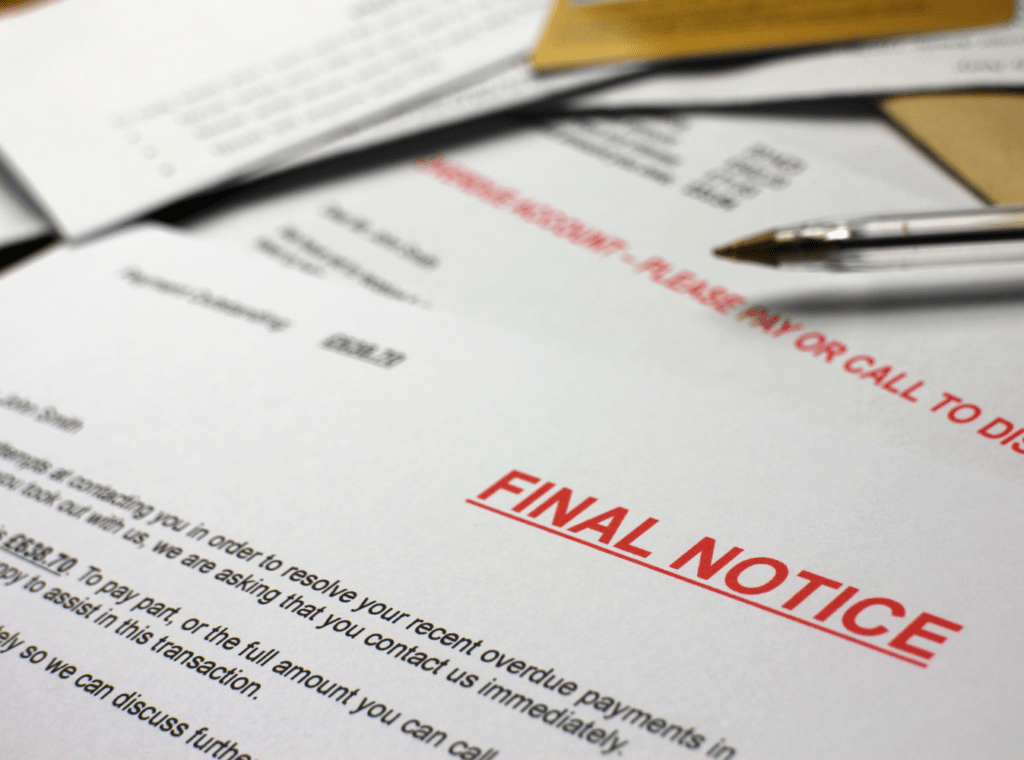
Medical supply companies provide millions of patients with lifesaving equipment such as home oxygen, CPAP machines, and mobility devices. Unfortunately, patients allege that some of the largest companies in the field operate shady billing practices and abusive collection tactics. Apria, Lincare, AdaptHealth, and others that dominate the market have been the subject of several lawsuits and hundreds of online complaints. If you are facing unfair debt collection practices by any medical supply company, contact us today for assistance.
A January 2025 report by the Consumer Financial Protection Bureau (CFPB) found that medical debt is the most commonly reported collection type on credit reports. Even with insurance, patients who rely on durable medical equipment (DME) are left with out-of-pocket expenses out of their budget. Companies that sell or rent the equipment sometimes bill patients incorrectly or without verifying insurance, leading to unpaid bills sent to collections. With roughly 20% of U.S. households reporting medical debt, consumers must know their rights.
A lawsuit filed in May 2025 alleges that AdaptHealth’s partner agencies in North Carolina unlawfully collected debts, potentially from hundreds of thousands of customers. The suit claims AdaptHealth knowingly sent bills after a medical device was returned, assessed late fees that were not owed, and made deceptive threats of legal action. These charges all violate federal debt collection statutes that safeguard consumer rights.
Lincare, headquartered in Clearwater, Florida, supplies devices to 1.8 million patients. Reviews of Lincare reflect a reputation for bad billing practices, including patients receiving invoices for products covered by insurance, failure to return calls, and harassing bill collectors. In 2024, the company admitted to overcharging Medicare and thousands of elderly patients.
Apria Healthcare is one of the largest medical equipment suppliers in the nation. Multiple patients online allege receiving inaccurate bills, failing to charge insurance, and aggressive collection tactics. In a California lawsuit, one patient describes receiving harassing and persistent phone calls violating the Telephone Consumer Protection Act and Fair Debt Collection laws.
The Fair Debt Collection Practices Act (FDCPA) protects borrowers from abusive and unjust collection practices. Unfortunately, collection agencies will often violate these rules to get payment, no matter the cost. Even if you fall behind on payments, you still have the right to privacy and respect. Protections Debt collectors can’t:
CASE RESULT
Maginnis Howard obtained a $1.2 million class action settlement in 2021 on behalf of consumers who were unfairly charged medical debt after declaring bankruptcy.
In addition to federal protections, North Carolina law lays out specific restrictions on debt collection. The North Carolina Debt Collection Act (NCDCA) provides consumers with an additional, stringent layer of protection. It widens the scope of who is considered a debt collector, including anyone engaging in collection. In other ways, it mirrors federal laws. For example, the law prohibits collectors from telling employers or third parties about your debt.
Debt collectors can face steep penalties for violating the FDCPA, NCDCA, and related consumer laws. Consumers can collect losses for wages, distress, and statutory damages of $1,000. Crucially, successful FDCPA cases also award you attorneys’ fees and costs at no expense. Contacting an attorney to pursue damages is the best way to ensure maximum recovery.
If you’ve been subjected to aggressive, deceptive, or harassing debt collection practices by medical equipment companies like Apria, AdaptHealth, Lincare, or others, we want to help. Maginnis Howard helps clients stand up to unfair treatment by debt collectors—whether it’s repeated phone calls, threats, false statements, or attempts to collect debts not owed. Filing a lawsuit can stop the abuse and potentially recover monetary damages. Maginnis Howard represents consumers facing unfair debt collection on a contingency basis. That means you don’t pay anything unless we recover compensation on your behalf. Contact us today for a free consultation. We represent clients across the Carolinas from our Raleigh, Charlotte, and Fayetteville offices.

For Raleigh drivers, some intersections are more than just asphalt and traffic lights; they are points on a mental map of anxiety. You approach the

Medical bills arrive in the mail while your paychecks have stopped. The financial pressure after a Raleigh car accident makes you ask one question repeatedly:

Receiving a denial letter from an insurance company after a Raleigh car accident can feel like a final, frustrating end to a painful chapter. The

The rhythm of the Raleigh Beltline is a familiar one. The steady flow of traffic, the familiar exits for Glenwood Avenue or Capital Boulevard, the

Like a photograph left in the sun, evidence from a car accident scene begins to fade the moment the vehicles are towed away. Skid marks

More than the bent steel or shattered glass, a car accident steals your sense of control. Suddenly, your health, transportation, and financial stability are subject