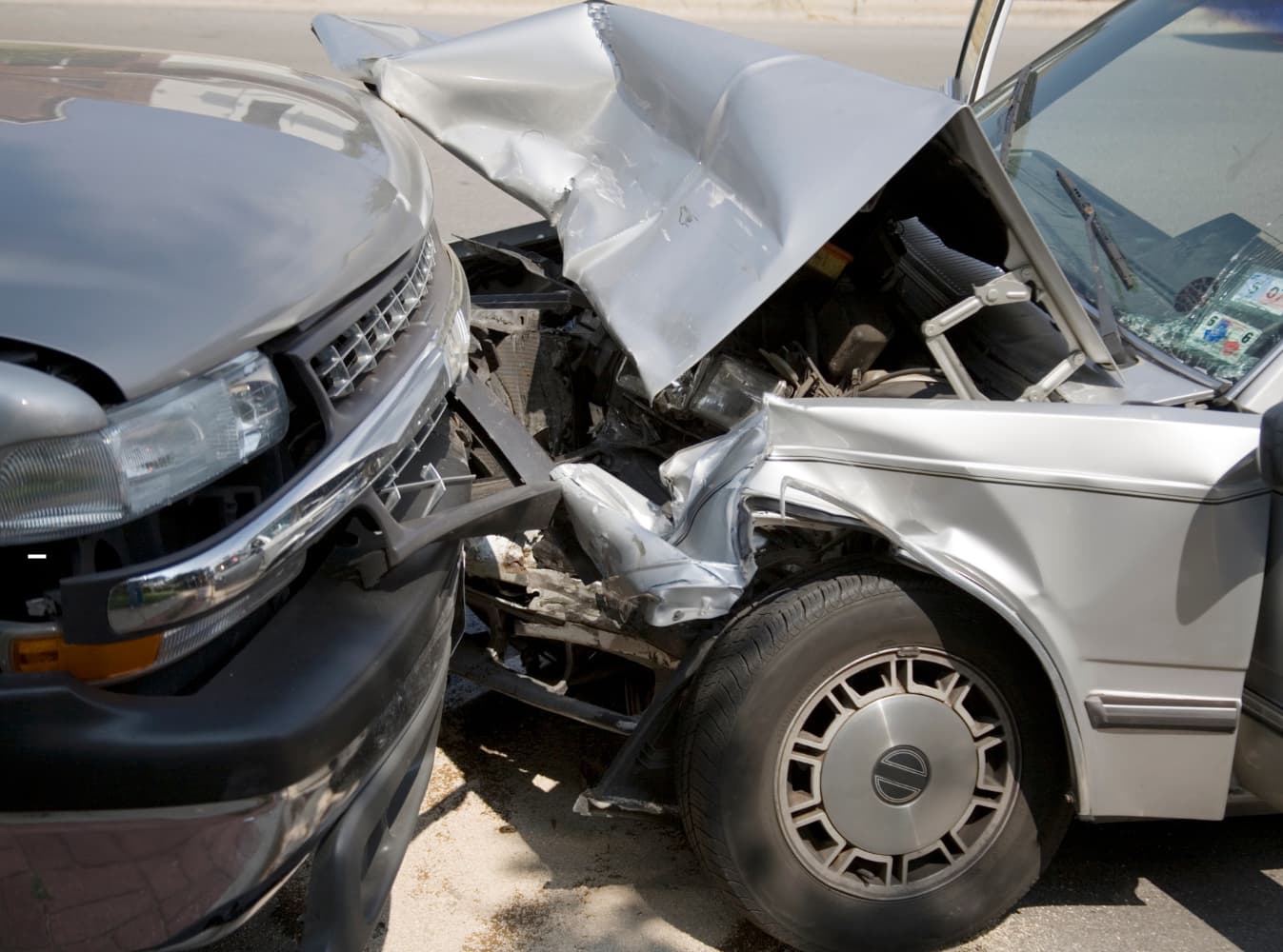
There is little a driver can do in the moment another vehicle crosses into their lane. After the impact, you should not have to accept an insurer’s quick explanation of why it happened. A Raleigh head-on collision lawyer at Maginnis Howard can investigate lane position, vehicle movement, and the full cost of your injuries.
We represent people hurt in frontal crashes in Raleigh and Wake County. Call (919) 526-0450 to discuss the collision and the evidence that may still be available.

Yes. Maginnis Howard handles motor vehicle injury claims involving drivers who crossed a centerline, entered the wrong side of a divided road, made an unsafe pass, or turned into oncoming traffic. Our work starts with the specific road layout and sequence of events, then turns to insurance coverage and the medical and financial harm the collision caused.
A vehicle may drift across a centerline because its driver was distracted, impaired, asleep, or attempting an unsafe pass. The crossing itself is important, but so is what happened just before it. We look at lane markings, road curvature, sight distance, debris, damage patterns, and witnesses who saw the vehicle’s path. A driver may offer an innocent explanation; the physical evidence can test it.
A wrong-way entry onto a divided road is different from a driver cutting a turn across an opposing lane. An interchange’s signs, median openings, and lighting may help explain how the vehicle got there. At an intersection, signal timing and the turning driver’s path may be decisive. We do not assume every frontal impact proves the other driver traveled a long distance in the wrong lane.
A passenger usually did not control either vehicle, yet may face two insurers disputing which driver caused the crash. A family dealing with a fatal collision needs a different assessment of who can bring a claim and what losses the law recognizes. We identify all vehicles and policies and explain the claim that fits the person’s role. Our related Raleigh wrongful death practice addresses a fatal injury claim in more detail.

Liability depends on which driver failed to use reasonable care and whether that failure caused the impact. North Carolina generally requires vehicles on sufficiently wide highways to travel on the right half, subject to stated exceptions. A centerline crossing can be strong evidence, but a complete investigation must address the road, any obstruction, and what both drivers could reasonably do.
The North Carolina lane-use statute states the right-side rule and exceptions, including passing and an obstruction that requires a driver to move left while yielding to an immediate hazard. We compare that rule with the driver’s account, skid or yaw marks, the impact location, and any camera view. If the other driver says an obstacle forced the maneuver, the size and location of that obstacle matter.
A third vehicle may have forced an evasive maneuver, or a tire or steering failure may be alleged. Such explanations need proof rather than speculation. We examine witness statements, vehicle condition, maintenance information when relevant, and available electronic data. A medical emergency may also be raised as a defense, but its details and foreseeability require legal review. The claim should follow the evidence rather than a convenient first theory.
North Carolina follows contributory negligence, which can bar a negligence recovery when an injured person’s own negligence legally contributed to the injury. An insurer may allege that you were speeding or could have swerved away. We assess whether there was time, space, and a safe route to react to a vehicle suddenly entering your lane. An adjuster’s percentage of fault is not a court’s decision, and no one should concede fault without reviewing the underlying facts.
We test the point of impact and the vehicles’ pre-crash paths against photographs, witness accounts, official records, and vehicle data where available. A police report is useful, but it may record what drivers said rather than settle every disputed fact. The most persuasive account explains why one vehicle entered the other’s travel path and how the injuries followed.
Photos of lane lines, shoulders, curves, medians, signs, and sight obstructions can show how much room each driver had. Vehicle crush patterns, tire marks, debris fields, and final resting positions may help locate the impact. The position of the cars after emergency response is not necessarily where they first collided. Serious cases may warrant a reconstruction analysis, especially if a vehicle was moved or a driver cannot describe the impact.
Traffic, business, home, and dash cameras may capture the approach even when they miss the moment of impact. Witnesses in trailing cars may remember a lane departure or unsafe pass. Some vehicles retain event data, but access and usefulness vary by model and event. We identify likely sources and seek preservation before recordings overwrite or a damaged vehicle is disposed of.
Frontal impacts can produce multiple injuries, but the claim requires proof of this person’s diagnoses and treatment. We compare emergency records, imaging, specialist visits, rehabilitation, and work restrictions. If symptoms evolved after the first visit, later notes can explain the course. We also distinguish conditions that predated the crash from any new injury or supported aggravation, rather than assuming either side’s label resolves causation.
A supported Raleigh injury claim may include medical bills, lost earnings, future care, reduced earning capacity, and pain and suffering. No crash type has a fixed settlement value. Fault evidence, the injury’s course, reasonably supported future needs, and available insurance all affect the result.
Emergency surgery may be followed by therapy, medication, repeat imaging, or assistive devices. A person may have a traumatic brain injury, fractures, internal injury, or spinal damage; another may recover with less intensive care. We document the actual medical course and ask whether providers have identified future treatment. A settlement offer made before that picture develops may fail to account for needs that are reasonably foreseeable.
Pay stubs, employer letters, tax records, where appropriate, and medical restrictions can establish missed wages. If the person cannot return to the same duties, future earning effects require a more careful assessment. Pain and limitations are also real losses, but they need specific support: what tasks take longer, what assistance is needed, and how the condition affects ordinary activities. We avoid formulas that claim to price those experiences automatically.
We begin by identifying the vehicles, insurers, injuries, and urgent evidence needs. The claim then proceeds through investigation, treatment documentation, a supported demand, and negotiation or litigation if needed. You should know what remains uncertain at each stage and why a settlement recommendation is being made.
Bring the crash report number, photographs, insurance correspondence, witness contacts, and hospital information if you have them. Missing documents should not delay the call. Keep the damaged vehicle available for inspection when possible and preserve dashcam files in their original form. Continue medically appropriate care and retain written work restrictions. We can help identify other recordings or records that may require prompt preservation.
An insurer may ask for a recorded statement, medical authorization, or quick release. A statement may be appropriate in some circumstances, but its timing and scope deserve review. We gather records that show the injury’s course and ask providers about likely recovery, rather than treating an early bill total as final. We keep the liability inquiry moving while the medical picture develops.
A lawsuit may be needed to preserve the claim and obtain evidence through formal discovery. Filing does not guarantee a trial, nor does it guarantee a settlement. For most North Carolina personal injury actions, N.C. Gen. Stat. § 1-52 provides a three-year period, though a lawyer should check the specific claim, parties, and accrual facts. Insurance discussions do not themselves stop a filing deadline.
Call Maginnis Howard at (919) 526-0450 if the insurer is treating a disputed lane crossing as settled. We can review the evidence and explain the next step.
Maginnis Howard can focus the case on the lane departure, the reaction time available, and the medical consequences of a frontal impact. Our Raleigh office handles motor vehicle injury claims and can examine liability and coverage together. We will tell you which facts support the claim and which questions still require proof.
A report that says one car crossed the centerline may leave unanswered where the crossing occurred and what the other driver could see. As your car accident lawyer, we compare roadway evidence, vehicle damage, and witness accounts before building a demand. That work also helps address an insurer’s claim that the injured driver should have avoided the crash.
A head-on crash can change a person’s ability to work and live independently. We seek records that show the actual treatment and limitations, including medical opinions when future needs are claimed. Our role is to present supported losses and explain the choices in negotiation, not to promise a particular amount.
Maginnis Howard’s Raleigh office is at 7706 Six Forks Rd, Suite 101, Raleigh, NC 27615. Call (919) 526-0450 to discuss the collision. If the case involves a commercial vehicle, our Raleigh trucking accident practice addresses additional business and insurance questions.
These are common questions when the other driver crossed into your path and you are deciding whether to hire a lawyer. The answers depend on the evidence and insurance in your case.
A lawyer can help preserve the vehicles and roadway evidence, check coverage, and document injuries even when the centerline crossing seems clear. The insurer may still dispute why the driver crossed, whether you could react, or how much the crash harmed you. A prompt review can identify those issues before important evidence disappears.
A police report is relevant evidence, but it does not make a final legal finding of contributory negligence. A lawyer can compare the report with photographs, witness statements, road markings, and vehicle damage. Because North Carolina’s fault rule can bar recovery, the exact conduct and causal connection matter more than an untested label in a report.
Yes, a passenger may have a claim against a driver whose negligence caused the collision. More than one driver or policy may be involved, so the investigation should identify every vehicle and the passenger’s injuries. The available coverage and any special relationships among the occupants should be reviewed before accepting an offer.
Most North Carolina personal injury lawsuits have a three-year filing period, but different facts and claims may change the analysis. Speak with counsel well before that period ends, because video, vehicle data, and witness memories may be lost much sooner. A pending insurance negotiation does not automatically preserve the right to sue.
An underinsured motorist claim may be possible if an applicable policy provides that coverage and the liability limits are insufficient under North Carolina law. A lawyer can review all policies, the injury evidence, and any procedural requirements before a release is signed. The fact that the other driver has a small policy does not set the total value of the injury.

A frontal collision deserves an investigation that goes beyond a brief report and an early offer. Maginnis Howard can review the lane departure, available insurance, and injuries that continue after the vehicles are removed.
If available, bring:
Call our Raleigh office at (919) 526-0450 to discuss your head-on collision claim.
Address: 7706 Six Forks Rd Suite 101
Raleigh, NC 27615, United States
Phone: (919) 526-0450