Raleigh Bus Accident Lawyer

The bus may have kept moving on its route, but your recovery does not run on a timetable. If you were hurt aboard a bus or struck by one in Raleigh, a Raleigh bus accident lawyer at Maginnis Howard can identify who operated it, preserve trip and camera records, and assess the claim under the rules that apply to that operator. We help injured passengers and people in cars, on bikes, and on foot. Call (919) 526-0450 to discuss the incident before evidence is lost.

Raleigh Bus Accident Guide

Can Maginnis Howard Help With My Raleigh Bus Accident?

super lawyers 2026 badge

Yes. Maginnis Howard handles injury claims involving motor vehicles in Raleigh, including collisions with transit, school, shuttle, and charter buses. The type of bus matters because a private company, city, school system, or state entity can present different insurance and procedural questions. We begin with the exact vehicle and operator, then investigate fault and the injuries.

Passengers Hurt on the Bus

A passenger can be injured in a collision, a sudden stop, or an incident while boarding or exiting. A hard stop alone does not prove negligence; the question is whether the driver’s conduct or another party’s conduct fell below the applicable standard and caused the injury. We look for onboard footage, operator reports, witness accounts, route data, and medical records close in time to the event.

Drivers, Pedestrians, and Cyclists

A bus may turn across a lane, pull out from a stop, merge without enough room, or strike someone near a crosswalk. The bus’s size and limited sight lines can make the crash sequence difficult to judge from one photograph. We compare signals, lane markings, bus position, other vehicles, and the injured person’s path. A cyclist or pedestrian claim also needs a careful response to any allegation of contributory negligence, which is where an experienced pedestrian accident lawyer can make a real difference.

Transit, School, Shuttle, and Charter Vehicles

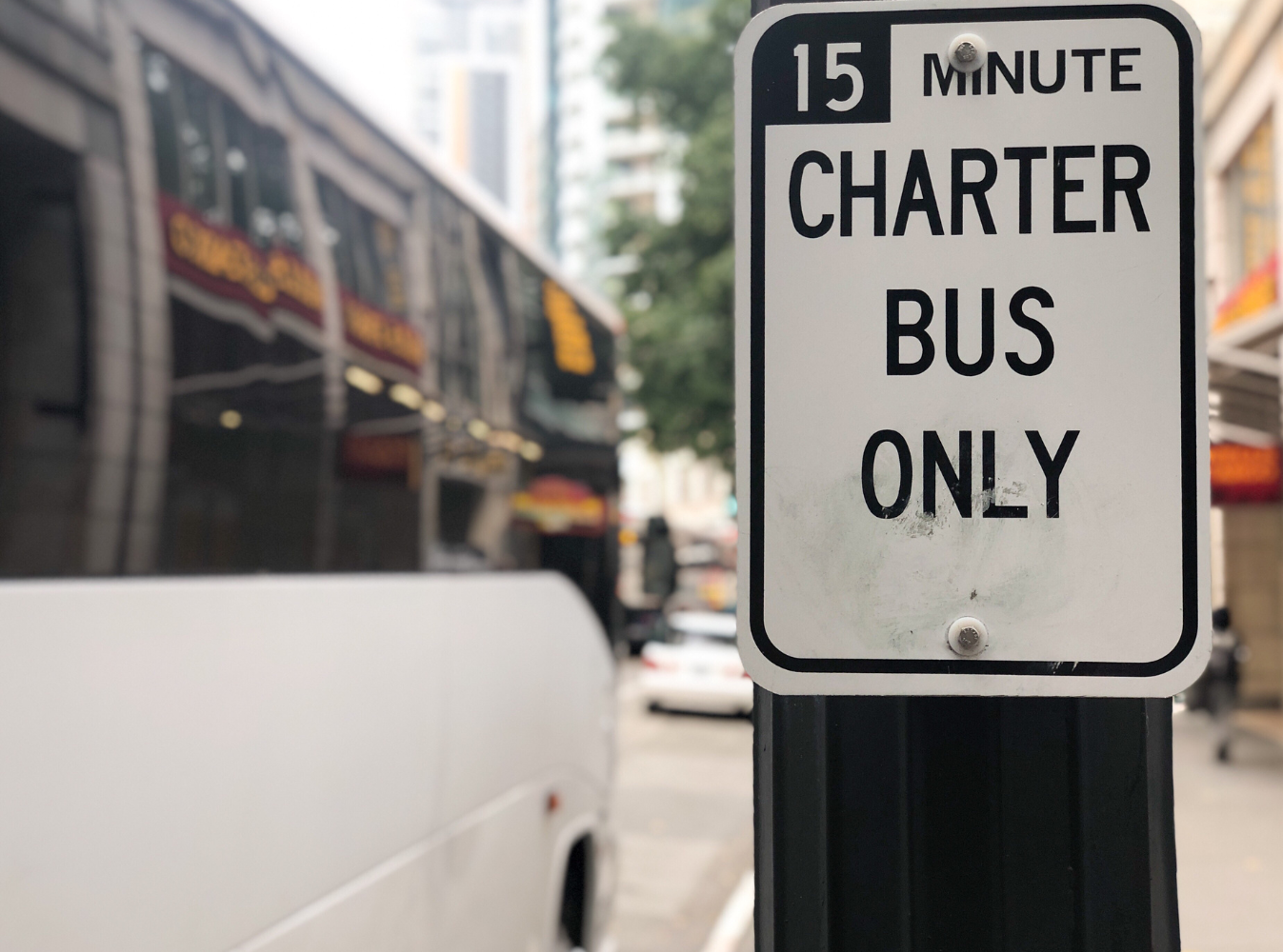
A GoRaleigh transit bus, a school bus, a hotel shuttle, and a privately chartered coach do not necessarily share the same operator or claims process. Even buses with similar markings can be owned and operated through different arrangements. Identifying the registration, route, driver, employer, and insurer is a substantive part of the case, not administrative paperwork.

Who Can Be Liable After a Bus Crash in Raleigh?

The bus driver, another motorist, a bus company, or a public entity may be responsible, depending on what caused the injury and who operated the service. A passenger claim can involve a bus driver’s maneuver, another driver’s collision, or both. Maginnis Howard reviews the operational relationship and the physical evidence before choosing a defendant or making a demand.

The Driver and the Bus Operator

Unsafe speed, failure to yield, distraction, or a poorly executed turn can support a driver negligence claim. An operator may face responsibility for a driver’s work-related conduct or for its own actions if supported by the evidence. We seek the trip assignment, bus identification, training and maintenance records when relevant, and the applicable coverage. The fact that a bus carries passengers does not establish that its driver caused every fall or collision.

Public Ownership Changes the Claim

A public bus claim requires identifying the actual government body and the legal basis for any waiver of immunity. The North Carolina Tort Claims Act provision addresses negligence claims against state departments and agencies through the Industrial Commission. It does not automatically govern a city transit bus or a privately operated charter. The operator’s legal identity, insurance, and applicable procedure must be checked early; an ordinary insurer claim may not preserve a distinct public-entity claim.

maginnis howard logo

How Are School Bus Claims Different?

A school bus injury claim may follow a different route from a private bus claim, especially when a public school bus was operating with state funding. The correct defendant and forum depend on the vehicle, driver, funding, and nature of the incident. We determine those facts before applying a general car-crash deadline or assuming the local school board is the proper defendant.

State-Funded Public School Bus Operations

North Carolina law gives the Industrial Commission authority over qualifying negligence claims against state agencies, including the State Board of Education. The public school bus context must be assessed under that framework and the specific funding facts. A claim involving a school bus driver during a state-funded operation should not be drafted as an ordinary lawsuit against a local board without review.

School Board Insurance and Other Circumstances

N.C. Gen. Stat. § 115C-42 addresses how a local board’s liability insurance can affect governmental immunity. It also states an exception for claims caused by public school bus or school transportation vehicle drivers while operating vehicles paid from the State Public School Fund. A privately contracted school trip or a different kind of school-related incident may need a separate analysis. The label “school bus” is not enough to choose the procedure.

What Evidence Matters in a Bus Accident Case?

The key evidence shows how the bus moved, who operated it, and what caused the injury. Bus cameras, trip records, driver reports, and nearby video can be more informative than a brief crash narrative. A prompt preservation effort helps because footage and routine operational records may not remain available indefinitely.

Onboard and Outside Video

Cameras may show a passenger’s position, the timing of a stop, doors, traffic, and the driver’s response. A nearby business or another car may have a better view of a lane change or crosswalk. If a bus struck your vehicle, your own dashcam may help as well, and a car accident lawyer can preserve that footage alongside the bus and business recordings. We identify each likely source and ask for the original recording, not a short clip selected by one party. Video can support or undercut a claim, so it needs context and an accurate timeline.

Route, Vehicle, and Witness Records

The bus number, route, direction, stop, and approximate time help connect the incident to the right operator and records. Dispatch logs, driver statements, maintenance records, and electronic data may be available depending on the service. We also contact passengers, other drivers, and people at the stop whose independent accounts can fill camera blind spots. If a bus was moved before photos were taken, the final position may not show where the impact occurred.

Medical and Work Records

Report symptoms to a medical provider and keep follow-up records, restrictions, and treatment receipts. A passenger who falls during a sudden stop may have a different injury mechanism from someone struck outside the bus. We connect the documented diagnosis to that mechanism and address any preexisting condition or later-developing symptom with actual medical evidence. Wage records can show missed work or a change in duties.

charter bus parking sign with charter bus nearby

What Compensation May Be Available After a Raleigh Bus Injury?

A supported claim may seek medical expenses, lost income, reduced earning capacity, pain and suffering, and reasonably proven future needs. The available damages and procedure can differ when a public entity is involved. No lawyer can assign a reliable case value based only on the bus type or an initial emergency bill.

Present and Future Care

A bus collision can cause fractures, head injuries, back or neck injuries, or other harm. The seriousness of the particular injury must be shown through treatment records, diagnostic findings, and providers’ opinions. We account for rehabilitation, medication, and future care when supported, without assuming every symptom will become permanent. A proposed settlement should be assessed against the recovery picture before a release is signed.

What Should I Do in the Days After a Bus Accident?

Get appropriate medical care, report the incident to the operator or investigating agency, and preserve enough detail to identify the bus and trip. Then seek legal advice promptly, particularly if a government body or school service may be involved. A lawyer can review the correct procedure while video and witnesses are still available.

Record the Trip Details

Save tickets, app records, route notices, school communications, photographs, the bus number, the time, and the location. Write down where you were seated or standing and what you felt the bus do. If a driver or operator gave you an incident number, keep it. Do not guess about speed or fault if you did not observe it. A precise account of what you experienced is more useful than a theory formed afterward.

Protect Your Claim While You Heal

Follow up on ongoing symptoms and retain all medical and wage records. If an insurer or operator requests a recorded statement or sends a release, have the scope reviewed before responding. Keep copies of communications and deadlines. An internal transit complaint is useful for identifying the event, but it should not be assumed to satisfy every legal filing requirement.

Check the Correct Deadline and Forum

A conventional North Carolina personal injury lawsuit often has a three-year period, but public-entity claims can involve different procedures and timing. School bus and municipal transit cases require the operator-specific analysis described above. Waiting until the end of a general limitation period risks losing both evidence and a valid procedural route. We check the claim’s parties and forum at the outset.

Call Maginnis Howard at (919) 526-0450 if you have the bus number or route but are unsure who operates it. We can help identify the next records to request.

Why Choose Maginnis Howard for a Raleigh Bus Accident Claim?

Maginnis Howard can investigate both the collision and the operator behind the bus. Our Raleigh office handles motor vehicle injury matters and can assess whether the case involves a private insurer, a public body, or another driver. We explain the proof and procedure that apply to your claim without promising an outcome.

Focus on the Right Operator

Sending a demand to the wrong organization can waste time and leave a procedural issue unresolved. We trace the bus, route, ownership, employment arrangement, and coverage. That inquiry is especially important for school, transit, and charter vehicles that look familiar but have different legal structures.

A Raleigh Point of Contact

Maginnis Howard’s Raleigh office is at 7706 Six Forks Rd, Suite 101, Raleigh, NC 27615. Call (919) 526-0450 to describe the bus, the route, and your injuries. Our Raleigh personal injury practice covers other injury matters; this page focuses on bus-related claims.

Frequently Asked Questions About Raleigh Bus Accident Lawyers

These answers address common hiring questions after an injury involving a transit, school, or private bus. The operator and incident facts control the legal route.

Can I Sue GoRaleigh After a Bus Accident?

A claim may be possible, but the bus’s operator, public-entity status, insurance, and facts must be identified before deciding whom to sue and where. A city transit claim does not automatically follow the State Tort Claims Act. Keep the route, bus number, incident report, and medical records, and seek a prompt review of the applicable procedure.

Possibly. A sudden stop alone does not prove the bus driver was negligent; another vehicle may have forced a reasonable emergency response. Video, passengers, route data, and the medical account can show what happened and whether an unsafe maneuver caused the injury. A lawyer can assess both the driver and any other motorist involved.

A child may have a claim when negligence caused the injury, but the correct defendant and forum depend on whether the bus was public, state-funded, or privately operated and what occurred. Preserve school notices, bus details, witnesses, and treatment records. Do not assume the local school board is always the entity to name.

The answer depends on the operator and claim type. A private injury lawsuit often has a three-year filing period in North Carolina, while public-entity matters may require a different forum or procedural steps. Ask counsel to identify the bus operator and check the applicable deadline early; a transit complaint does not necessarily protect a legal claim.

You may have a claim against the negligent motorist, and the bus driver’s conduct may also need review. A passenger need not choose a single explanation before the evidence is gathered. Investigators can compare video, witnesses, vehicle damage, and the route record to identify the parties and policies that may be involved.

Talk With Maginnis Howard About the Bus Accident
Lawyer and client shaking hands over legal documents with gavel and Lady Justice statue on desk.

The name on the bus is only the beginning of the liability question. Maginnis Howard can examine its operator, preserve trip evidence, and evaluate the injuries and procedure that apply to your case.

If available, bring:

  • The bus number, route or trip time, and incident report.
  • Witness contacts, photographs, and treatment information.

Call our Raleigh office at (919) 526-0450 to discuss your bus accident claim.

Maginnis Howard Personal Injury Lawyer – Raleigh Office

Address: 7706 Six Forks Rd Suite 101
Raleigh, NC 27615, United States
Phone: (919) 526-0450

Contact Us

7706 Six Forks Rd.
Suite 101
Raleigh, NC 27615