New Fayetteville Office Address

200 Dick Street, Suite A, Fayetteville, NC 28301

Learn More

New Clients Email

info@carolinalaw.com

North Carolina Leash Laws and Dog Bite Injury Claims

Key Takeaways

In This Article

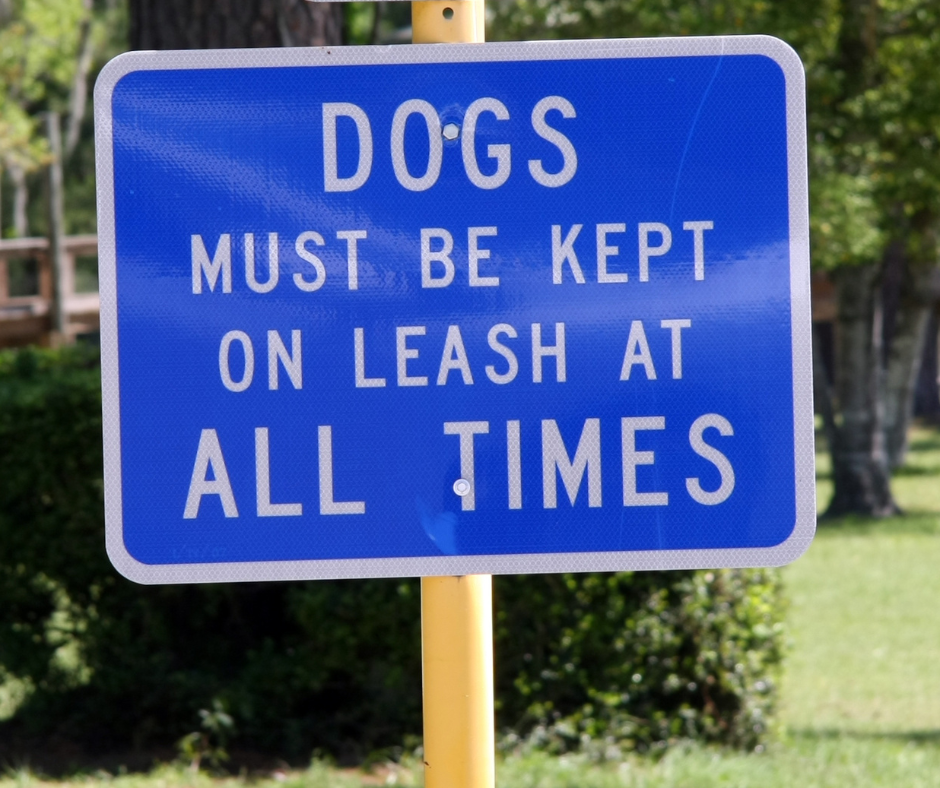
sign stating dogs must be kept on leash at all times

Any dog bite is a serious injury that can significantly impact a person’s life. Each year, an estimated 4.5 million Americans are bitten by dogs, and roughly 800,000 of those injuries require medical care. Municipal and county leash laws are implemented to help prevent attacks. If a negligent owner ignores these rules, it could form the basis of a strong injury claim. Holding negligent owners accountable for their pets’ actions is crucial. If you or a loved one has been injured by a dog attack, contact the experienced personal injury lawyers at Maginnis Howard. Our attorneys will investigate negligent owners and use state regulations and local leash laws to recover the compensation you deserve. 

North Carolina Leash Laws by City

Cities and counties often have their own rules prohibiting pet owners from allowing their animals to roam off their property without restraint, a violation known as “running at large.” These laws aim to protect residents from animal attacks, control the spread of disease, and promote animal welfare. In dog-attack cases, understanding local regulations can help establish liability for an injury. Here are the leash ordinances for 10 major North Carolina cities: 

City Off the Property: Restraint Required On the Owner’s Property
RaleighRaleigh City Code, §§ 12-3007, 12-3011 Leash, cage, bridle, or other effective restraining device. Off leash allowed — dog must be securely contained on the premises.
DurhamDurham County Code, § 4-86 Any effective restraint; an unrestrained dog is deemed “at large.” Off leash allowed — dog must be securely fenced in or enclosed, or leashed under supervision.
CharlotteMecklenburg County Code, § 3-71 Leash, at all times. Off leash allowed — dog must be fenced in and supervised by an adult who can control it by voice command.
GreensboroGuilford County Code, § 5-9 Leash or other effective restraint. Off leash allowed — dog must be securely enclosed; invisible fences require a permanent posted sign.
Winston-SalemWinston-Salem City Code, § 6-17 Leash, chain, rope, or other adequate means of physical control. Off leash allowed — dog may not be left unattended outdoors unless restrained and restricted to the property by a tether, rope, chain, fence, or other device; fencing must be adequate in height and construction.
FayettevilleCumberland County Code, § 3-19 Leash or other restraint. Off leash allowed — dog must be confined to the boundaries of the property by a fence or enclosure.
CaryTown of Cary Code, § 6-65 All domestic animals, including cats, must be under restraint by leash, lead, cage, or vehicle; an electronic collar does not count. Off leash allowed — dog must be confined by a secure enclosure, or by an electronic enclosure with a posted sign; a dog declared dangerous or potentially dangerous requires a secure enclosure.
Chapel HillTown of Chapel Hill Code, §§ 4-1(g), 4-14 Leash, a vehicle, a secure enclosure, and supervision by a competent person. Off leash allowed — dog must be attended by and under the control of a competent person.
WilmingtonNew Hanover County Code, § 5-9 Leash, chain, or other physical restraint. Off leash allowed — dog must be kept safely on the property.
AshevilleAsheville City Code, § 3-27 Leash, chain, or harness no longer than 8 feet, held in the hand of a competent person. Off leash allowed — dog must be kept on the property; no other requirements specified.

Establishing Your Dog Bite Claim in North Carolina

North Carolina state law also provides an avenue for dog bite victims to recover compensation. Your rights come from a mix of statutes that can work together to show an owner’s negligence. North Carolina’s most straightforward dog attack law is strict liability. 

Strict Liability for “Dangerous” Dogs

Under state law (N.C. Gen. Stat. § 67-4.4), the owner of a “dangerous” dog is strictly liable for injuries inflicted by their pet on a person, their property, or another animal.

A dog is considered “dangerous” if: 

  • Without provocation, it killed or inflicted severe injury on a person. 
  • The county or municipal authority responsible for animal control has determined that the dog is potentially dangerous based on one or more of the behaviors listed below.

A dog can be designated “potentially dangerous” if, without provocation, it has:

  • Bitten a person, resulting in broken bones or disfiguring lacerations, or requiring cosmetic surgery or hospitalization. 
  • Killed or inflicted severe injury on a domestic animal when not on the owner’s real property. 
  • Approached a person off the owner’s property in a vicious or terrorizing manner, appearing ready to attack. 

This statute offers dog bite victims the clearest path to establishing liability. A dog’s “dangerous” designation already shows that the owner was aware of their pet’s tendencies. However, most dog bite cases don’t qualify for strict liability because official documentation is uncommon. 

Negligence: Knowledge of Dangerous Tendencies

Even if strict liability doesn’t apply to your case, you can still hold an owner accountable through the negligence doctrine. Dog owners who knew, or should have known, that their pet had dangerous tendencies before an attack can be considered negligent. This is a common theory applied in dog bite cases and requires evidence such as witness testimony and video footage. 

“Running-at-Large”

North Carolina state law (N.C. Gen. Stat. § 67-12) prohibits an owner from allowing a dog to run at large unaccompanied at night. However, this statute applies only at night. Daytime running-at-large laws are found in county and municipal law.

Using Local Leash Laws with State Regulations

Demonstrating an owner’s liability in a dog injury case is usually multifaceted. Dog bite victims can rely on the state’s negligence doctrine in combination with leash laws. For example, if a dog attacks someone off-leash in a public space where an ordinance expressly requires dogs to be restrained, that violation can establish the owner’s negligence. Even dogs not classified as “dangerous” or “potentially dangerous” must be properly restrained according to local law. Owners sometimes ignore the law because they believe their pet is too well-behaved and responds to commands. However, even well-trained animals may attack if agitated.

Contributory Negligence

All personal injury claims in North Carolina face a unique obstacle. Ours is one of only four states that follows a strict contributory negligence rule. This rule says that if you are even 1% at fault for your injury, you cannot recover compensation. For example, if you inadvertently provoke a dog by approaching it without the owner’s permission, you may be barred from recovery. Most states follow a comparative negligence theory, in which you would recover less for your contribution to the attack, but you would not be barred entirely. North Carolina’s contributory negligence rule could be used to say the entire attack was your fault.  An experienced personal injury lawyer can help victims navigate this inflexible theory and recover damages despite it. 

Damages

Personal injury damages are broken into two categories: economic and non-economic. The amount and type of compensation available to you will depend on the specific facts of your case. Generally, we see the following types of recoveries in dog-bite cases, including those involving violations of leash laws. 

Economic Damages

  • Past, current, and future medical expenses: A dog bite of any degree can require emergency care, testing, follow-up appointments, and many other treatments. North Carolina law allows victims to recover for the cost of treatments related to the attack. 
  • Lost wages and diminished earning capacity: Many dog bite victims need time off from their regular schedules to recover. Even when returning to work, their life may be permanently altered. Your attorney will advocate for compensation to make up as much as possible for these costs. 

Non-Economic Damages

  • Scarring and disfigurement: Scars and disfigurement can vary in size and scope, but they can be a permanent reminder of a traumatic event. Facial, neck, and hand scars consistently receive the highest disfigurement awards because they are visible in virtually every social and professional interaction. 
  • Pain and suffering: Compensates for ongoing physical pain like persistent back pain, traumatic brain injury, nerve damage, and more. 
  • Emotional and psychological harm: Not all pain and suffering is physical. Dog bites can leave a person with post-traumatic stress that may persist for years after the physical wound has healed. Debilitating mental suffering is also frequently accounted for in personal injury lawsuits. 
  • Loss of enjoyment of life and loss of consortium: All of the lasting consequences of a dog bite can have a ripple effect through your life. While it can be difficult to put a number on it, your attorney will argue that you should be compensated for the way in which the attack has changed the course of your life. Additionally, this type of damage can take into account its effect on those around, such as a partner or even a close family member. 

Where Does Compensation Come From?

Recovering any compensation after a dog bite rests on the negligent owner’s coverage and assets. In car accident cases, you may look to the at-fault driver’s insurance company. With animal attacks, your attorney will look to several sources, including homeowner’s insurance, rental insurance, and even to landlords who knowingly allowed a dangerous dog to inhabit an apartment complex.

How Long Do I Have to File?

Generally, North Carolina gives personal injury victims, such as those bitten by a dog, 3 years from the date of the incident to file a claim. This does not apply to minors. If a child is attacked, the clock is “tolled” (paused) until their 18th birthday. That means they will have until age 21 to file a lawsuit. However, we recommend reaching out to an experienced attorney as soon as possible to build the strongest case. Witness testimony, video evidence, and other supporting materials can slip through the cracks if a case isn’t addressed promptly.

Why Do I Need an Attorney for a Dog Bite Injury?

Dog bite claims can become complex in North Carolina. The strongest cases typically combine state statutes and local leash laws to show that an owner acted negligently and caused your injury. An experienced attorney can assess your case, identify all possible forms of evidence, and establish liability under all applicable laws. Hiring an attorney can also prevent insurers from taking advantage of you. Often, insurers want to speak to victims right away to close out a claim before the extent of their injuries is even apparent. Your lawyer will handle the insurers on your behalf. 

Contact Us

A dog bite of any kind is a traumatic and life-altering event. If you or a loved one has been attacked due to a pet owner’s negligence, you deserve justice. The dedicated North Carolina dog bite lawyers of Maginnis Howard have proven experience in recovering compensation through state regulations and local leash laws. We represent clients on a contingency basis. That means you don’t pay unless we recover compensation on your behalf. Contact us today for a free consultation with our legal experts. We have conveniently located offices in Raleigh, Fayetteville, and Charlotte. Call us at (919) 526-0450, visit our contact page, or submit an inquiry via our Live Chat. 

Contact Us

Recent Posts