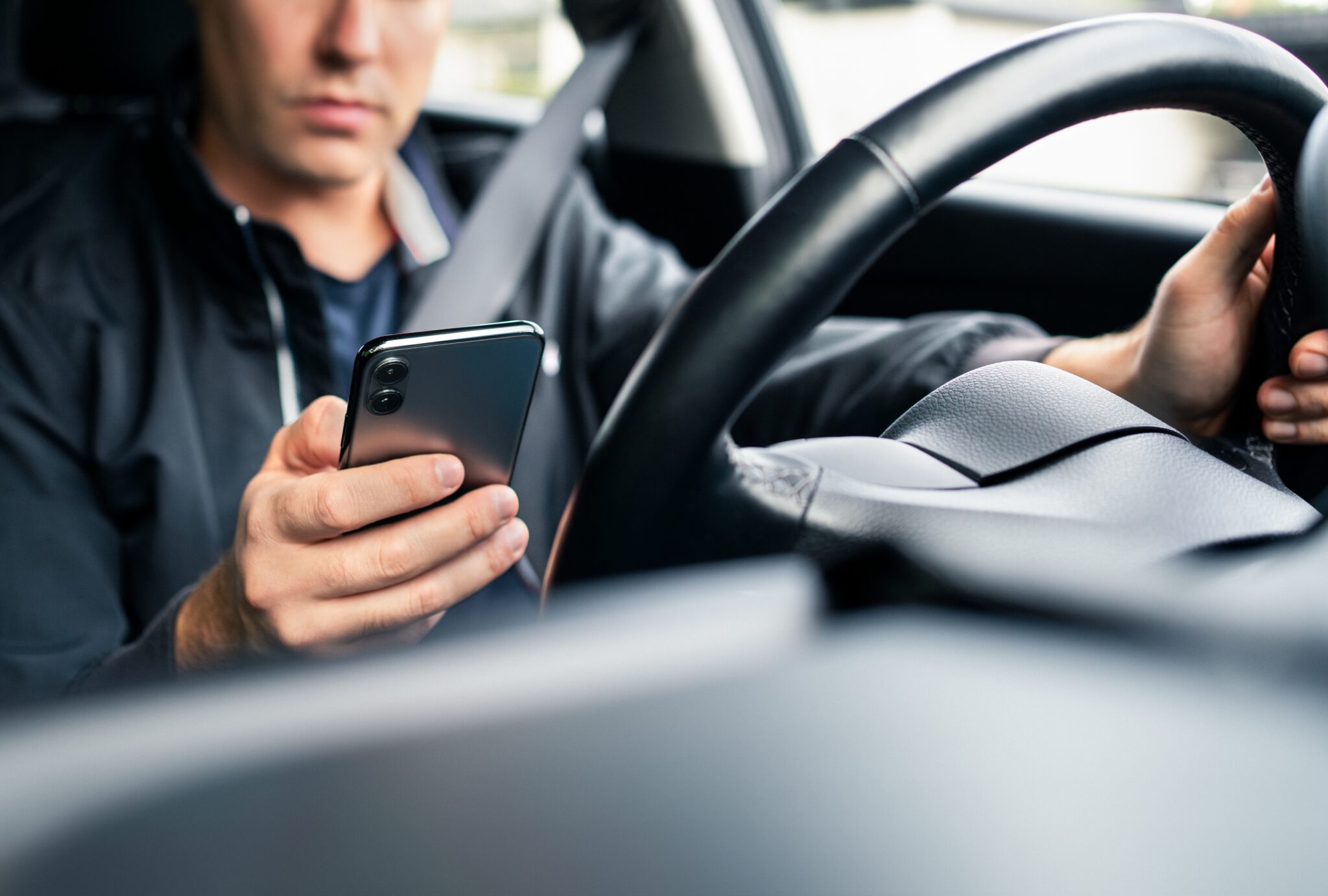
Who pays after a rideshare crash in Charlotte?
The paying insurer usually depends on the Uber or Lyft driver’s app status, who caused the crash, and whether another driver or uninsured motorist coverage is involved.
Rideshare crash claims in Charlotte move fast because more than one insurer may be looking for a reason not to pay.
If you were hurt as an Uber passenger, Lyft passenger, pedestrian, cyclist, or driver in another vehicle, the claim may turn on app timestamps, trip data, driver status, insurance exclusions, and North Carolina rideshare rules. The question is not only who caused the crash. It is which policy applies when the bills start arriving.
The Coverage Map at a Glance
- Uber and Lyft accident coverage depends heavily on whether the driver was offline, waiting for a ride request, driving to a pickup, or carrying a passenger.
- North Carolina’s transportation network company insurance statute sets different insurance requirements for different phases of rideshare activity.
- A personal auto insurer may deny coverage when the driver was logged into a rideshare platform, which can trigger a dispute over the correct policy.
- App records, crash reports, insurance disclosures, and medical documentation often decide whether a rideshare claim is valued correctly.
How Uber and Lyft Insurance Coverage Works in Charlotte
Rideshare insurance coverage depends on what the driver was doing in the app at the moment of the crash. The same driver, same car, and same road can involve different coverage depending on the app status.
When the Driver Was Offline
If the driver was not logged into Uber or Lyft, the crash usually starts as a standard auto insurance claim.
The rideshare company’s coverage may not apply because the driver was using the vehicle for personal reasons. In that situation, the driver’s personal auto policy is usually reviewed first.
This can become disputed if the driver’s statement does not match app records, trip history, phone data, or witness information.
When the Driver Was Logged In and Waiting
If the driver was logged into the app but had not accepted a ride, North Carolina law requires a lower rideshare coverage layer.
Under N.C. Gen. Stat. § 20-280.4, coverage during this phase includes at least $50,000 for bodily injury or death to one person, $100,000 for bodily injury or death to two or more people, and $25,000 for property damage.
This phase can create friction because the driver’s personal insurer may point to rideshare activity while the rideshare insurer may question whether the driver was truly available on the platform.
When the Driver Accepted a Ride or Had a Passenger
The highest rideshare coverage generally applies once the driver accepts a ride request or has a passenger in the vehicle.
North Carolina defines TNC service as the prearranged transportation service that begins when the driver accepts a request and ends when the transaction is complete or all passengers have exited and unloaded. During that active service period, the required primary liability coverage is at least $1,000,000.
For an injured passenger, this app-status record can be the difference between a small policy dispute and a meaningful insurance path.
Who May Pay After a Charlotte Rideshare Accident?
Several insurers may be involved after a rideshare crash in Charlotte. The driver’s personal insurer, the rideshare company’s insurer, another driver’s insurer, or uninsured motorist coverage may all need review.
The Uber or Lyft Driver’s Personal Auto Insurer
The personal auto policy may apply when the driver was offline.
That policy may also appear in early claim paperwork before the rideshare status is clear. Some personal auto policies exclude coverage when the driver is logged into a rideshare app, which is why the app timeline matters.
Uber or Lyft’s Applicable Rideshare Coverage
Uber or Lyft-related coverage may apply when the driver was logged in, waiting, heading to a pickup, or carrying a passenger.
The coverage amount depends on the driver’s status. A rideshare accident lawyer in Charlotte can request the records that show when the driver logged in, accepted the trip, started the ride, and ended the ride.
Another Driver’s Insurance
Not every rideshare crash is caused by the Uber or Lyft driver.
If another motorist caused the collision, that driver’s insurer may be responsible. The rideshare driver’s status may still matter, especially when passengers need coverage beyond the at-fault driver’s limits.
Uninsured or Underinsured Motorist Coverage
Uninsured or underinsured motorist coverage may matter when the responsible driver has no insurance or too little insurance.
This coverage can come from different policies depending on the facts. The available path may depend on whether you were a passenger, driver, pedestrian, or cyclist.
Why App Records Matter So Much

App records can decide which insurance company pays. They can also show whether the driver was working, waiting, or actively transporting someone.
The App Timeline Can Override Assumptions
A rideshare crash claim should not depend only on what a driver remembers or reports.
The app timeline may show the driver’s login time, accepted ride time, pickup route, trip start, trip end, and platform status. North Carolina law requires certain information exchanges after a rideshare accident, including precise times the driver logged on and off the platform in the 12 hours before and after the crash under N.C. Gen. Stat. § 20-280.4.
Charlotte Pickup Areas Can Add Evidence
Charlotte rideshare crashes may happen near Uptown hotels, South End apartments, event venues, restaurants, hospitals, airport traffic, or nightlife areas.
Those locations may have surveillance cameras, security logs, valet records, parking records, or witnesses. For airport-related claims, app pickup and drop-off patterns may also help clarify where vehicles were moving and why.
Crash Reports Still Matter
A crash report can identify drivers, vehicles, insurers, location, and the responding agency.
North Carolina drivers and crash victims can request crash report records through the North Carolina Division of Motor Vehicles. The report may not answer every coverage question, but it often gives the claim structure.
What If the Insurance Companies Blame Each Other?
Insurance companies may disagree about who pays when rideshare activity is involved. That disagreement can delay the claim while medical bills, lost income, and vehicle issues continue.
Personal Auto Insurer Denials
A personal auto insurer may deny the claim if the driver was using the car for rideshare work.
That denial does not always end the claim. It may point the claim toward the rideshare policy or another available coverage source.
Rideshare Insurer Coverage Disputes
A rideshare insurer may question whether the driver had accepted a trip or whether the correct coverage phase applies.
Trip data, app screenshots, driver statements, passenger receipts, and phone records can help answer that dispute. A Lyft accident attorney in Charlotte, NC can review the coverage timeline before the insurer’s position hardens.
Fault Disputes Under North Carolina Law
North Carolina fault disputes can affect rideshare claims.
Insurers may review statements, video, vehicle positions, app records, and witness accounts to argue about how the crash happened. North Carolina law places the burden of proving contributory negligence on the party asserting it under N.C. Gen. Stat. § 1-139, which makes early evidence preservation especially valuable.
What Should You Save After a Rideshare Crash?
The strongest rideshare claim records are often gathered in the days and weeks after the crash. A clean file can help show the app status, injury timeline, insurance contacts, and financial losses something a personal injury attorney can help you organize and present effectively.
Records That May Help
Many injured riders, drivers, and pedestrians find it useful to keep:
- Trip receipts, app screenshots, driver name, vehicle details, and route information
- Crash report number, photos, witness names, and insurance letters
- Medical records, bills, work notes, and receipts for out-of-pocket costs
- Messages with Uber, Lyft, drivers, insurers, or witnesses
Why Screenshots Matter
Rideshare app information may become harder to access later.
Screenshots can preserve the ride date, pickup location, drop-off location, driver details, fare, route, and communications. Those details may support the coverage analysis.
Rideshare Accident Insurance Coverage Questions Answered by Our Charlotte Attorneys
Does Uber insurance always pay after an Uber crash?
No. Uber-related coverage depends on the driver’s app status and the facts of the crash.
What if I was a Lyft passenger in Charlotte?
A Lyft passenger may have a claim through the rideshare policy, another driver’s policy, or other available coverage depending on who caused the crash.
What if an Uber driver hit my car?
The claim may involve the Uber driver’s personal policy, rideshare coverage, or both depending on whether the driver was offline, waiting, or actively handling a ride.
Can I bring a claim if I was hit while walking?
Yes. A pedestrian hit by a rideshare driver may have a claim against the responsible driver and any applicable insurance coverage.
Why does the app status matter so much?
The app status determines which insurance period applies and may affect the amount of coverage available.
Getting the Right Policy on the Table

A rideshare accident can leave you dealing with several insurance companies before anyone accepts responsibility for payment.
Maginnis Howard helps injured people in Charlotte sort through Uber and Lyft coverage disputes, preserve app records, and build claims around the evidence that proves which policy should respond.
Call Maginnis Howard at (919) 526-0450 for a free consultation. Early review can help identify the correct insurance period before the wrong carrier defines the claim.