If you’re dealing with a brain injury after a car accident in Raleigh, here’s what you need to do to protect your claim:
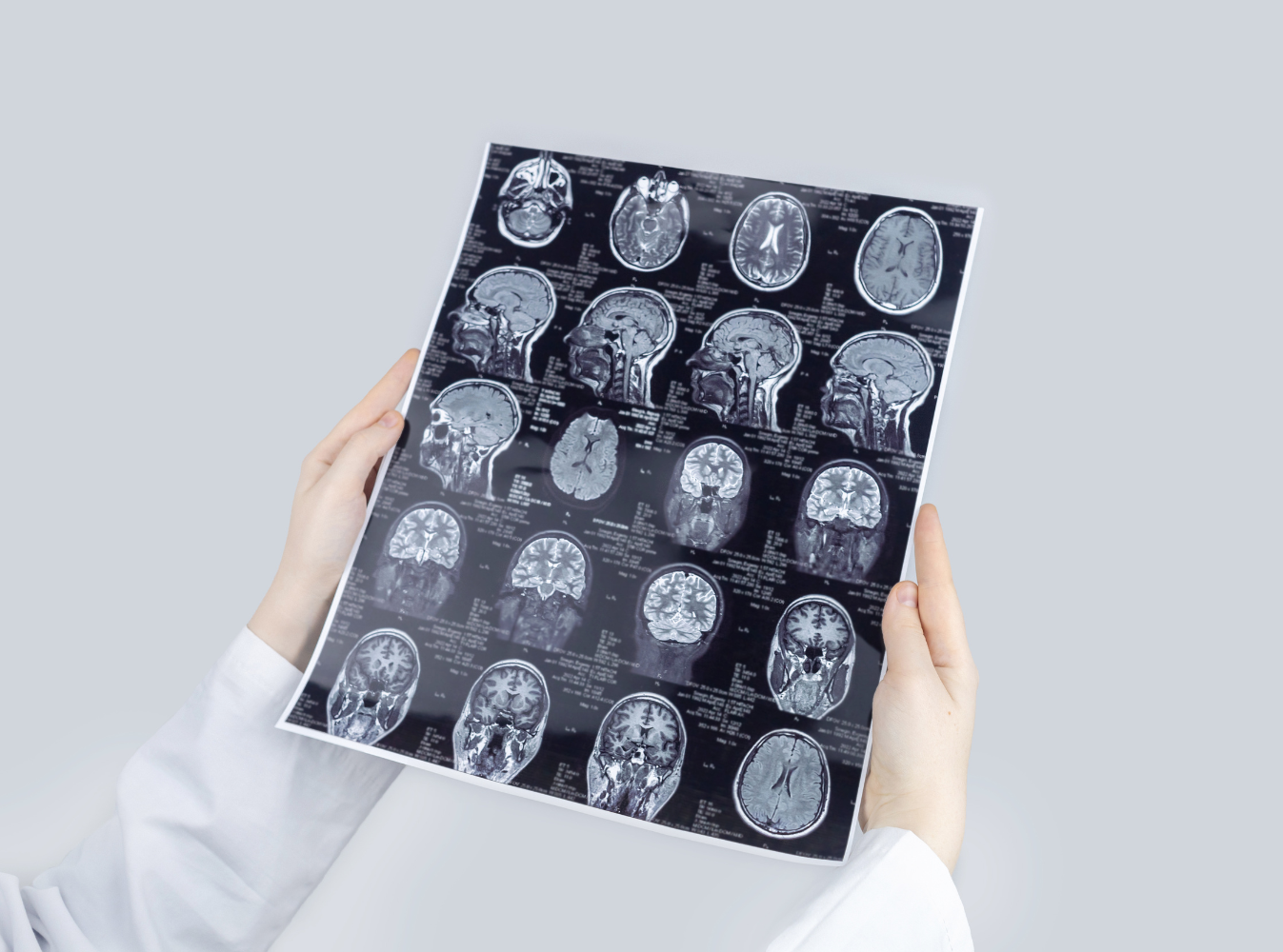
- Get specialized testing beyond the ER scan. A normal CT or MRI doesn’t rule out a serious brain injury. These scans catch bleeds and fractures, not the microscopic nerve damage that causes memory problems, mood changes, and cognitive slowdowns. You’ll likely need a neuropsychologist or advanced imaging like DTI scans to document what’s actually wrong.
- Keep a daily symptom journal. Write down specific problems: “Couldn’t finish reading a chapter,” “Forgot my daughter’s name for a moment,” “Had to leave the store because the lights were too bright.” Medical records capture clinical data, but these details show how the injury affects your actual life.
- Don’t rely on your memory to prove the accident. Memory loss is a common TBI symptom, and in North Carolina, that’s a problem. If you can’t remember whether the light was green, the insurance company may use that uncertainty against you. Objective evidence like black box data and traffic camera footage matters more than what you recall.
- Make sure your doctors use the right language. Insurance companies use software that scans for specific diagnoses. If your doctor writes “patient reports headaches” instead of diagnosing post-concussion syndrome, the system may undervalue your claim.
Brain injury claims are harder than other injury cases because the damage doesn’t show up on standard scans. You feel the effects every day, but the insurance company wants proof they can see. Building that proof takes the right medical documentation and the right legal strategy.
If you have questions about a head injury following a crash in Wake County, contact a Raleigh car accident attorney at Maginnis Howard. We’ll help you with all of the steps above to build the strongest case possible.
Key Takeaways for Traumatic Brain Injury Claims in Raleigh
- Invisible injuries require specific proof. A normal ER scan doesn’t rule out a serious TBI, so specialized testing is necessary to document the full extent of your functional impairments for the insurance company.
- North Carolina’s contributory negligence law is a major hurdle. If you are found even 1% at fault, you may be barred from recovery, making objective evidence like EDR data and accident reconstruction essential, especially if you have memory loss from the injury.
- The true value of a TBI claim includes future damages. A settlement must account for long-term medical care and potential loss of earning capacity, which we calculate using a detailed Life Care Plan.
How North Carolina Law Affects Your Brain Injury Claim
Operating a vehicle in North Carolina means operating under one of the strictest liability laws in the country: contributory negligence. Under this doctrine, if you are found to be even 1% at fault for the accident, you are generally barred from recovering any compensation. There are very few exceptions to this rule.
This law poses a specific, dangerous risk for TBI victims due to the nature of the injury itself: memory loss. A common symptom of a concussion or TBI is retrograde or anterograde amnesia, which is the inability to remember the moments immediately before or after the crash. When an insurance adjuster asks, “Was the light green when you entered the intersection?” and you honestly answer, “I’m not sure,” that uncertainty creates a vulnerability.
In a contributory negligence state, uncertainty is a vulnerability. If you cannot recall the specific details of the crash on a busy road like the I-40/I-440 interchange, an adjuster may argue that your lack of memory implies a lack of attention. They might suggest that if you don’t know the light was green, you cannot prove the other driver was solely at fault.
Because of this, we do not rely on your memory to prove liability. Instead, we look to objective forensic evidence:
- We will download data from the vehicle’s Event Data Recorder (EDR), also called the black box, which records speed and braking inputs.
- We also look for footage from traffic cameras or nearby businesses.
- We frequently work with accident reconstructionists who use physics, rather than witness testimony, to demonstrate exactly how the collision occurred.
This ensures your rights are protected even if your memory of the event is compromised.
Why the Insurance Adjuster Might Initially Lowball Your Traumatic Brain Injury Claim
Adjusters handle hundreds of claims simultaneously. They are not doctors, and they generally do not have the time to read every line of a medical chart. Instead, they typically use evaluation software, such as Colossus, to determine the settlement value of a claim.

These software programs scan medical records for specific value drivers or diagnostic codes. If your doctor writes “patient reports headache” rather than diagnosing post-concussion syndrome or traumatic cephalalgia, the software may not trigger the higher value associated with brain injuries. Part of our role is ensuring your medical providers are documenting your injuries in a way that these systems recognize.
You may also experience delays in the process. When a brain injury is claimed, insurers will almost always conduct a rigorous investigation into your medical history. This is standard procedure to verify causation. Because headaches, dizziness, and fatigue can be caused by many things, such as past sports injuries, high blood pressure, or previous falls, the insurer needs to confirm the car accident is the actual cause of your current symptoms.
Professional legal guidance helps level the playing field here, ensuring that the investigation remains fair and that your medical history is not taken out of context to devalue your claim.
Calculating the True Value of a Brain Injury
In North Carolina, damages in personal injury cases generally fall into three categories: special damages, general damages, and future damages.
Special Damages
These are your economic losses. They are easy to calculate because they have receipts attached. This includes your ambulance bill, imaging costs, co-pays for neurologists, and the wages you lost while out of work immediately following the crash, especially if you are being treated for traumatic brain injuries from automobile collisions.
General Damages
This category covers pain and suffering, but for a TBI, it encompasses much more. It covers the loss of enjoyment of life. If you can no longer tolerate loud noises, meaning you can’t go to restaurants with your spouse, that is a compensable loss. If you experience personality changes, irritability, or chronic fatigue that prevents you from playing with your children, those are also real harms recognized by the law.
Future Damages
This is typically the largest and most complicated component of a brain injury claim. If your injury is permanent, you may need medical care for decades. Furthermore, many people in the Raleigh area work in high-cognitive fields, such as biotech, finance, or academia in the Research Triangle Park. A mild TBI that slows your processing speed by 10% might not stop you from working a manual labor job, but it could end a career that requires complicated data analysis or rapid decision-making. In these situations, a Raleigh traumatic brain injury attorney can help calculate the long-term financial impact of your injury.
To capture this value, we utilize a Life Care Plan. This is a detailed projection created by medical and financial professionals that accounts for 20 to 30 years of future therapy, medication, and the difference in your lifetime earning capacity before and after the car accident. We work with economists to calculate these figures accurately before we ever send a demand letter to the insurance company.
Steps to Take at Home to Strengthen Your Case
Prioritize Medical Follow-Up
Do not miss appointments. In the eyes of an insurance adjuster, a gap in treatment equates to a gap in pain. If you skip three weeks of therapy, the argument will be made that you must have been feeling better during that time. Consistency in treatment documents the continuity of your injury.
Write in a Journal
We recommend keeping a daily log of your symptoms. Write down specific functional limitations, like:
- “Could not finish reading a chapter of my book because I lost focus.”
- “Got dizzy standing up from the couch.”
- “Forgot my daughter’s name for a split second.”
- “Had to leave the grocery store because the lights were too bright.”
These details paint a picture of general damages that standard medical codes might miss.
Witness Statements
Brain injuries are frequently most obvious to those around us. Your spouse, coworkers, or close friends may notice personality changes that you don’t see in yourself. Ask them to write down what they observe. “Before and After” testimony from credible witnesses is powerful evidence in North Carolina courts.
Maintain Social Media Silence
Be extremely cautious with social media—insurance investigators frequently monitor the accounts of claimants. If you post a photo of yourself at a wedding or a birthday party, even if you were in pain and left early, that image can be misinterpreted to argue that you are not as injured as you claim. It is generally safer to stay off these platforms while your claim is pending.
FAQ for Traumatic Brain Injuries from Raleigh Car Accidents
What if my TBI symptoms didn’t show up until weeks after the crash?
Delayed onset of symptoms is common with brain injuries. In the immediate aftermath of a crash, adrenaline and shock can mask pain and cognitive issues. Always see a doctor as soon as symptoms appear and explicitly tell them you were in a car accident. This creates the necessary paper trail linking the new symptoms to the earlier event.
Can I claim TBI damages if I had a previous concussion?
Yes. North Carolina law recognizes the Eggshell Skull doctrine. This legal principle basically states that a defendant must take the victim as they find them. If you were more susceptible to injury because of a prior concussion, the at-fault driver is still responsible for the aggravation of that condition. You are entitled to compensation for the difference between your health before the crash and your health after it.
Does it matter if I wasn’t wearing a seatbelt?
North Carolina has a specific statute regarding this. Under G.S. 20-135.2A, evidence of failure to wear a seatbelt is generally not admissible in any civil action to prove negligence or contributory negligence. However, this is a nuanced area of law, and how this evidence is handled can vary depending on the specific context of the litigation.
What if the at-fault driver has minimum insurance limits?
North Carolina only requires drivers to carry $30,000 in bodily injury liability coverage. For a brain injury, this is typically insufficient. In these cases, we look to your own policy for Underinsured Motorist (UIM) coverage. This coverage steps in to pay the difference when the at-fault driver’s limits are exhausted.
How long do I have to file a lawsuit in North Carolina?
In most personal injury cases, the Statute of Limitations is three years from the date of the accident (G.S. 1-52). If you do not file a lawsuit by this deadline, your claim is forever barred. While three years sounds like a long time, building a complicated TBI case with expert witnesses takes considerable time. A personal injury lawyer can help ensure evidence is preserved and that your claim is filed before the deadline.
We Help You Map the Road to Recovery

You should not have to manage a complicated neurological recovery while simultaneously debating medical codes with an insurance adjuster. North Carolina law gives you the right to be made whole, but that right is only as strong as the evidence you present.
At Maginnis Howard, we handle the investigation, the medical record analysis, and the legal strategy so you can focus entirely on your health. We know how to translate your functional losses into terms that insurance carriers and juries understand.
Call Maginnis Howard today to discuss your situation at no cost.