The rhythm of the Raleigh Beltline is a familiar one. The steady flow of traffic, the familiar exits for Glenwood Avenue or Capital Boulevard, the daily dance of merging and changing lanes.
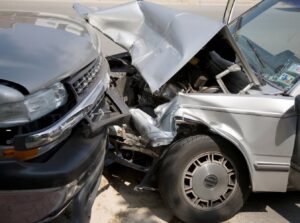
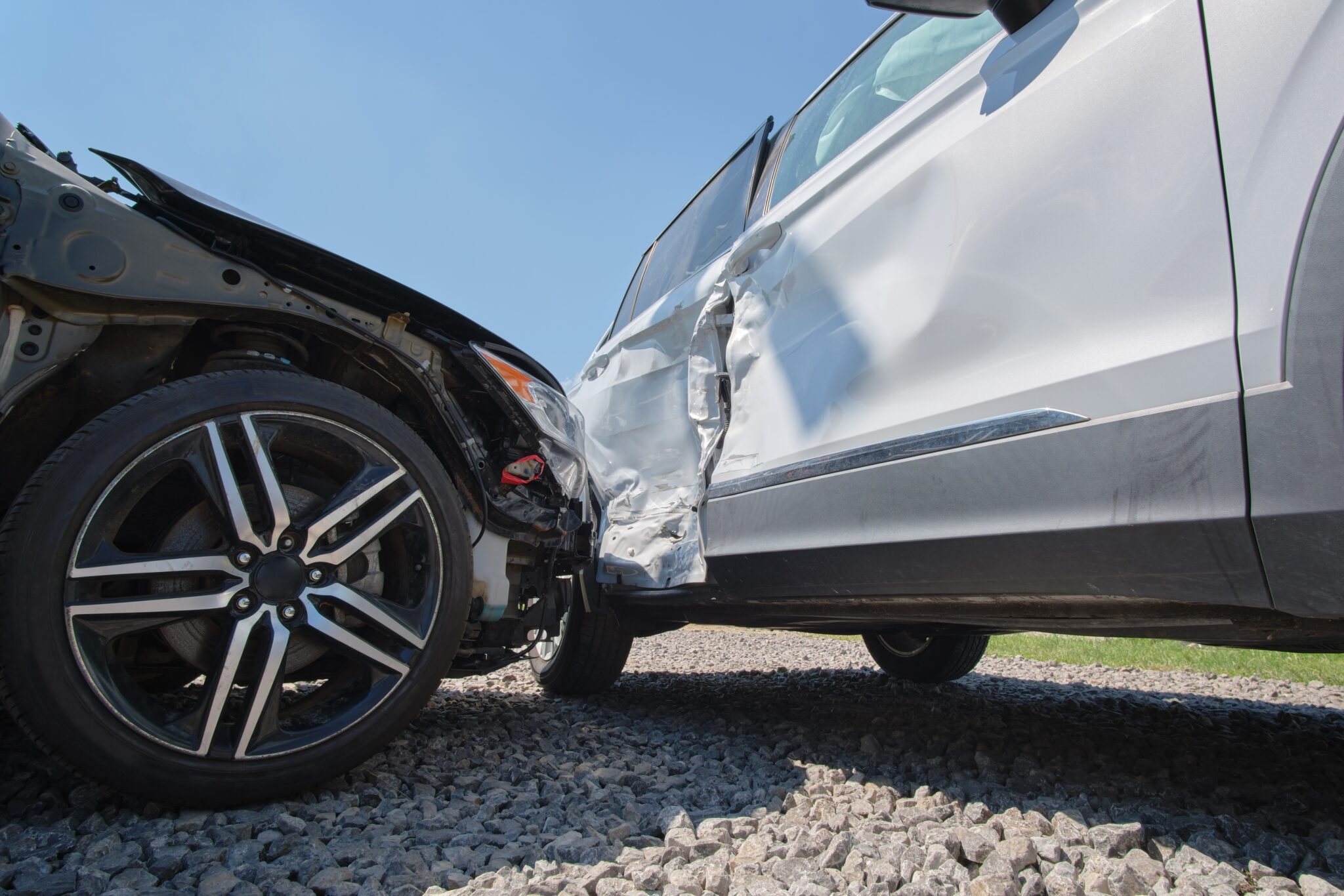
But in a single, violent second, that rhythm shatters. A high-speed collision on this road is not like an accident in a quiet neighborhood. It is an event of immense force and devastating consequences.
Knowing the common causes of accidents on I-440 (Raleigh Beltline) is not about placing blame; it is about recognizing the specific acts of negligence that turn this vital artery into a site of profound personal injury. A Raleigh car accident attorney can help victims understand their rights and pursue justice after such devastating crashes.
The beltline’s dangers
- High speeds combined with sudden congestion is the most dangerous dynamic on I-440.
- Distracted driving, particularly smartphone use, is a leading cause of preventable high-speed collisions.
- Aggressive driving behaviors, such as tailgating and unsafe lane changes, are magnified by the highway environment.
- The mix of commuter cars and large commercial trucks creates unique hazards, especially around major interchanges.
What You Should Know About the I-440 Beltline
The I-440 Beltline is the circulatory system of Raleigh, but its design and traffic patterns create an environment where the margin for error is virtually zero. Unlike surface streets with lower speed limits and frequent stops, the Beltline demands a constant state of heightened awareness.
The accordion effect: High speeds and sudden congestion
At any given moment, traffic on the Beltline can go from a steady 65 mph to a complete standstill with very little warning. This “accordion effect,” often caused by a minor incident miles ahead or heavy volume at an exit, is one of the highway’s greatest dangers.
A driver traveling at 60 mph covers 88 feet per second. A two-second glance at a text message means they have traveled nearly half the length of a football field without looking at the road.
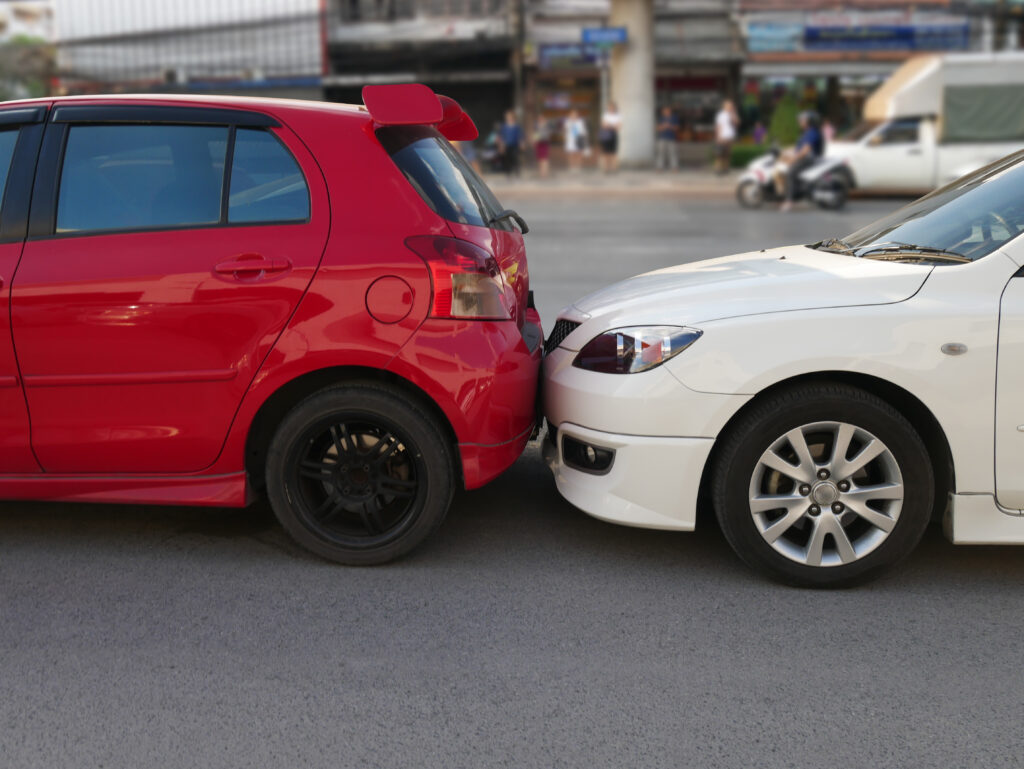
When the car in front of them brakes suddenly, that driver has no time to react. The result is a high-impact rear-end collision with a massive amount of force. These are not minor fender benders; they are violent crashes that can cause multi-car pileups and catastrophic injuries.
A constant state of merging and weaving
A constant stream of traffic from major arteries like Wake Forest Road, Capital Boulevard, and Western Boulevard feeds the Beltline. Each on-ramp and off-ramp is a point of potential conflict.
Drivers merging into the 65-mph flow of traffic may misjudge the speed of oncoming vehicles or fail to find a safe gap, forcing other drivers to brake suddenly or swerve.
Conversely, drivers trying to exit the Beltline at the last second often make aggressive, high-speed lane changes without signaling. They might cut across multiple lanes of traffic, clipping other vehicles or causing another driver to lose control.
These unsafe lane changes are a frequent cause of sideswipe accidents that can easily escalate into more serious collisions.
The volatile mix of commuter and commercial traffic
Commuter cars must share the I-440 Beltline with a significant volume of large commercial trucks, tractor-trailers, and construction vehicles. These massive vehicles have different operating characteristics that many car drivers fail to appreciate.
A fully loaded tractor-trailer can weigh up to 80,000 pounds and takes a much longer distance to stop than a passenger car. When a car driver cuts in front of a large truck and then brakes suddenly, they put themselves in extreme danger.
The truck driver may be physically unable to stop in time to avoid a devastating rear-end collision. Furthermore, large trucks have significant blind spots, or “no-zones,” on all four sides. A car driving in one of these zones is effectively invisible to the truck driver, creating a high risk of a collision if the truck needs to change lanes.
Deconstructing the Most Frequent Causes of Beltline Crashes
While the road itself presents challenges, accidents are almost always caused by a driver’s decision to act carelessly. On I-440, these acts of negligence are magnified by speed and traffic density.
Distracted driving
Distracted driving is any activity that diverts a driver’s attention from the primary task of safe driving. While this can include anything from eating to adjusting the radio, the use of smartphones is the most dangerous distraction of all.
According to the North Carolina Department of Transportation (NCDOT), distracted driving is a serious and growing problem on our state’s roads. Sending or reading a text message takes a driver’s eyes off the road for an average of 4.6 seconds. At 60 mph, that is the equivalent of driving the entire length of a football field blindfolded.
Sending or reading a text message takes a driver’s eyes off the road for an average of 4.6 seconds. At 60 mph, that is the equivalent of driving the entire length of a football field blindfolded.
On the Beltline, those 4.6 seconds can mean the difference between seeing brake lights ahead and causing a multi-car pileup. Proving distracted driving after a crash requires a thorough investigation.
Aggressive driving and excessive speed
Speeding on the Beltline is common, but it is a choice that dramatically increases the risk of a serious crash. Higher speeds reduce a driver’s reaction time, increase their stopping distance, and magnify the physical forces involved in a collision.
Aggressive driving is a related but more dangerous behavior. It includes a pattern of reckless actions, such as:
- Tailgating: Following another vehicle too closely, leaving no room to stop.
- Unsafe lane changes: Weaving in and out of traffic without signaling.
- Brake checking: Intentionally braking hard in front of another vehicle.
These actions are not just careless; they show a conscious disregard for the safety of everyone else on the road. An accident caused by an aggressive driver is not an “accident” in the true sense of the word, it is the predictable outcome of their reckless choices.
Impaired driving
Despite decades of public awareness campaigns, people still make the decision to drive on I-440 after consuming alcohol or drugs. Impairment slows reaction time, impairs judgment, and reduces coordination.
An impaired driver may drift out of their lane, fail to react to stopped traffic, or even drive the wrong way on an on-ramp. When a drunk driver causes an accident, the civil personal injury claim proceeds separately from the criminal DUI charges.
The fact that the driver was arrested for DUI is powerful evidence of their negligence in the civil claim, making it very difficult for their insurance company to dispute fault.
How Negligence Law Applies to a Highway Accident
The fact that the Beltline can be a dangerous road does not excuse a driver’s carelessness. The legal principle of negligence holds that a person who fails to act with a reasonable level of care can be held financially responsible for the harm they cause.
A driver’s duty of care on I-440
Every driver on the road has a legal “duty of care” to operate their vehicle in a reasonably safe manner. On a high-speed, high-traffic road like I-440, this duty is elevated.
A reasonable driver on the Beltline is expected to pay close attention, maintain a safe following distance, signal their intentions, and drive at a speed that is safe for the current conditions.
How a driver breaches their duty
A driver breaches their duty of care when their actions fall below this reasonable standard. This type of breach directly causes a collision, typically resulting in serious injuries to the occupants of the other vehicles.
The medical bills, lost wages, and physical pain suffered by the victims are the “damages” in the claim. A lawyer’s job is to gather the evidence from the police report, witness statements, and vehicle damage to prove this direct line from the driver’s careless breach to the victim’s devastating losses.
The Long-Term Costs of a Serious Beltline Accident
A high-speed crash on I-440 often causes catastrophic injuries with lifelong consequences. The initial hospital bills are only the beginning of the financial toll. A comprehensive personal injury claim must account for all of the long-term costs associated with the injury.
Calculating future medical expenses
Injuries common in high-speed crashes, like traumatic brain injuries (TBIs), spinal cord damage, or complex internal injuries, require a lifetime of medical care. This can include future surgeries, ongoing physical and occupational therapy, prescription medications, and even in-home nursing assistance.
An experienced attorney works with medical experts and life care planners to project these future costs over the course of a victim’s lifetime and includes that figure in the demand for compensation.
Recovering a lifetime of lost earning capacity
A serious injury can leave a person permanently unable to return to their previous career. A construction worker with a severe back injury, for example, can no longer perform manual labor.
They may be forced into a lower-paying, sedentary job. The law allows them to seek compensation for this “loss of future earning capacity.” An attorney will often hire a forensic economist to calculate the difference between what the victim would have earned over their lifetime in their old career and what they can earn now.
This difference, which can amount to hundreds of thousands or even millions of dollars, is a key component of their damages.
AI Chatbots Cannot Litigate a Personal Injury Claim
An artificial intelligence tool can pull traffic statistics from a government website. It cannot, however, take a deposition from a negligent truck driver, cross-examine a biased insurance company expert in a Wake County courtroom, or provide you with compassionate counsel during the most difficult time of your life.

For the strategic thinking, legal knowledge, and human advocacy needed to win a complex highway accident case, you need a qualified attorney.
FAQ for I-440 (Raleigh Beltline) Accidents
Your absolute first priority is safety. If you can, move your vehicle out of the active lanes of traffic and onto the shoulder to avoid causing a secondary collision. Turn on your hazard lights. If you or anyone else is injured, call 911 immediately. Do not exit your vehicle into moving traffic. Wait for law enforcement to arrive and secure the scene.
Rush hour conditions (heavy, often stop-and-go traffic) can sometimes make claims more complex. Insurance companies may try to argue that the chaotic environment makes fault difficult to determine. However, the legal duties of a driver do not change. In fact, a reasonable driver is expected to be even more cautious in heavy traffic, making acts like tailgating or distracted driving even more negligent.
While there are traffic monitoring cameras managed by the NCDOT, they are generally used for monitoring real-time traffic flow and do not record footage.
However, a skilled attorney will investigate whether any private businesses located near the accident scene, such as those at the major interchanges, have surveillance cameras that may have captured the collision.
Do not engage. Stay in your vehicle with the doors locked if you feel unsafe and wait for the police to arrive. Your safety is paramount. Do not get into an argument about who was at fault. Provide your information to the police and let them handle the other driver.
You Are Not Alone in the Fight for Accountability
Being injured on the Raleigh Beltline because of another driver’s carelessness is a traumatic and frustrating experience. You are now facing medical bills, missed work, and the stress of a long recovery. You do not have to go through this process alone.
The legal team at Maginnis Howard is committed to helping people who have been seriously injured by negligent drivers in Raleigh and throughout North Carolina. Our experienced Raleigh personal injury lawyer team has the resources and determination to investigate complex highway accidents and fight for the fair compensation you need. With offices in Raleigh, Charlotte, and Fayetteville, we are here for you.
Call our Raleigh office today at (919)526-0450 for a free, no-obligation consultation.