
info@carolinalaw.com
A rideshare trip through Raleigh often feels routine. You trust the driver as you settle into the back seat, and you expect to arrive safely. When another driver’s careless choice or a rideshare driver’s mistake leads to a crash, shock and confusion follow fast. Injuries, missed work, and unanswered questions stack up quickly, especially when the crash happens during an Uber or Lyft ride.
Rideshare cases involve layered insurance coverage, app data, and multiple parties who may share responsibility. That mix calls for legal representation with experience handling these claims and a focused approach to protecting injured passengers.
Speaking with a Raleigh rideshare passenger injury lawyer from Maginnis Howard gives you a way to pursue answers and accountability while focusing on healing. Our attorneys offer knowledgeable guidance and impassioned advocacy to help you obtain the maximum compensation possible. Contact us now for a free consultation to discuss options, next steps, and paths toward financial recovery after a rideshare crash in Raleigh.
Raleigh’s steady growth and busy streets create frequent interactions between rideshare vehicles and other traffic. Passengers deserve protection when a paid ride ends in harm. Understanding how these crashes happen helps clarify legal options.
Uber and Lyft serve neighborhoods, campuses, and entertainment districts across the city. Many riders rely on these services around downtown during events near Fayetteville Street, late nights, or trips to and from work. Increased usage also increases exposure to risk, especially during peak traffic hours.
Rideshare crashes stem from the same unsafe behaviors that cause other collisions. Speeding to meet ride requests, distraction from app alerts, fatigue after long shifts, and failure to yield often play a role. Congested areas near Crabtree Valley Mall see frequent stop-and-go traffic, which raises the chance of rear-end crashes that injure back-seat passengers.
Rideshare claims involve more than one insurance policy and more than one possible at-fault party. The driver’s app status at the time of the crash matters, as does the relationship between the company and the driver. These added layers affect how claims move forward and who pays, which is why guidance from a car accident lawyer can be important in navigating these claims.
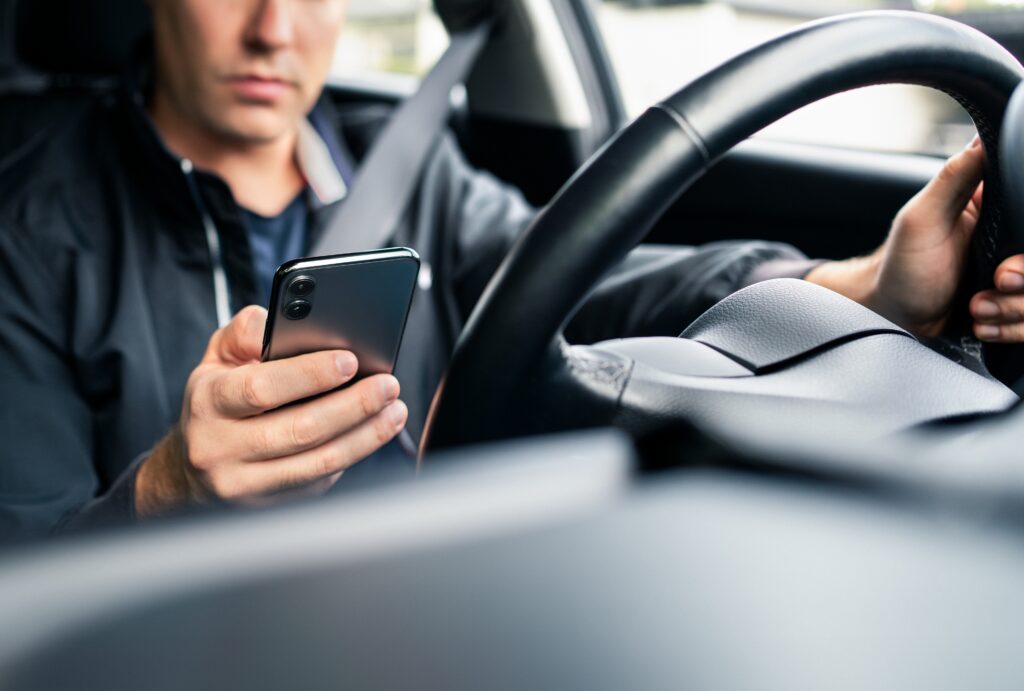
Passengers who pay for a ride hold strong legal protections. State law and insurance rules work together to provide coverage when injuries occur.
North Carolina requires rideshare companies to carry significant liability insurance while a passenger rides in the vehicle. Liability coverage pays for harm caused by negligence, which means a failure to act with reasonable care.
Company liability depends on whether the driver actively transported a passenger or waited for a ride request. During an active ride, the company’s insurance generally applies. This coverage exists to protect passengers harmed through no fault of their own.
An injured passenger may pursue compensation for medical expenses, income loss, and pain that lingers after the crash. The right to seek payment does not depend on who caused the collision, as long as another party acted carelessly.
Determining responsibility shapes every claim. More than one party may share fault.
Fault depends on the facts. Police reports, witness accounts, and vehicle damage patterns help show who caused the crash. For example, a collision near Glenwood South late at night may involve impaired driving by another motorist.
Rideshare drivers owe passengers a duty of care. That duty includes obeying traffic laws, staying alert, and driving safely. A driver who runs a red light or checks the app instead of the road may bear responsibility for resulting injuries.
Another driver may cause the crash. In that situation, the third party’s insurance usually stands first in line to pay damages. Rideshare insurance may provide backup coverage if that policy falls short.
Companies like Uber and Lyft provide insurance tied to the driver’s app activity. While these companies often classify drivers as independent contractors, insurance coverage still applies during passenger trips.
Insurance coverage often decides whether an injured passenger receives full compensation.
Uber and Lyft carry large liability policies designed to cover passengers. These policies activate during active rides and may cover medical costs, lost wages, and other damages.
State law requires rideshare companies to maintain up to $1 million in liability coverage while transporting passengers. That coverage exists to protect riders injured during paid trips.
Coverage changes based on the driver’s status:
Insurance adjusters often push to limit payouts. Each insurer may point fingers at another. A clear strategy keeps the claim moving forward and protects the injured passenger’s interests.
Compensation aims to address losses tied to the crash.
Economic damages include measurable costs. Medical bills, rehabilitation expenses, and lost income fall into this category. Transportation to appointments and future medical needs may also count.
Non-economic damages address the human impact of injuries. Pain, reduced enjoyment of daily activities, and lasting discomfort often fit here. These damages recognize how injuries affect daily life beyond receipts and invoices.
A thorough calculation looks beyond immediate bills. Future care needs, long-term limitations, and missed career opportunities shape the claim’s value. A crash near North Hills during rush hour may cause injuries that require months of treatment, which deserves full consideration.
North Carolina law generally allows three years from the date of injury to file a personal injury lawsuit. Wrongful death claims usually follow a different timeline, which is why speaking with a personal injury lawyer early can help protect important deadlines.
Early action preserves evidence and strengthens claims. Vehicle data, app records, and witness memories fade over time. Quick steps protect accuracy and leverage.
Some exceptions apply, such as cases involving minors or delayed discovery of injuries. A timely review clarifies which deadline applies.
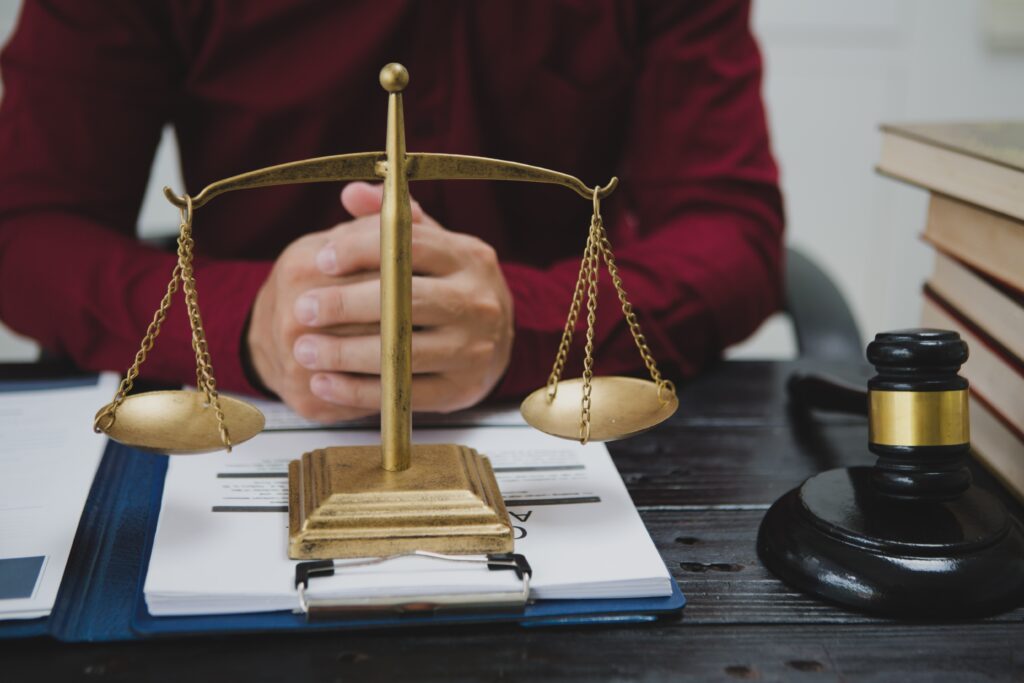
Strong evidence forms the backbone of a successful rideshare passenger injury claim. Each piece of documentation helps show what happened, who caused the crash, and how the injuries affected your daily life. Gathering the right information early protects your position and supports a fair outcome.
Several types of records help establish the facts of the collision. These materials often come from different sources and work together to tell a complete story:
Keeping copies of these records prevents delays later in the claims process.
Medical records connect your injuries directly to the crash. Emergency room notes, follow-up visits, diagnostic tests, and treatment plans all show the nature and extent of harm. Consistent care also helps demonstrate how the injuries affected your ability to work and carry out daily tasks.
Rideshare app data confirms your status as a passenger at the time of the crash. Trip receipts, timestamps, and route details help trigger the correct insurance coverage and establish when and where the collision occurred. This information often plays a key role when insurance companies question which policy applies.
Independent witnesses add credibility to your claim. Statements from passengers, pedestrians, or nearby drivers can support your account of events. Official accident reports from responding officers often include diagrams and observations that help clarify fault and strengthen liability arguments.
Every rideshare case we handle at Maginnis Howard starts with a detailed look at what happened. We review police reports, ride data from the Uber or Lyft app, insurance information, and medical records. This early work helps identify all responsible parties and confirms which insurance policies apply. A clear factual foundation strengthens every step that follows.
After a rideshare crash, questions pile up fast. We explain your options in plain language and keep you informed as the case moves forward. You won’t have to guess what comes next or wonder where things stand. Our team stays available to address concerns and explain decisions along the way.
Insurance companies often move quickly to protect their own interests. We take over all communication with adjusters, submit required documentation, and respond to requests for statements or records. This approach shields you from unnecessary stress and reduces the risk of saying something that could weaken your claim.
A fair claim should account for more than initial medical bills. We document ongoing treatment needs, time missed from work, and the ways injuries affect daily routines. By presenting a complete picture, we seek compensation that reflects the full scope of harm caused by the crash.
While many cases resolve through negotiation, some require filing a personal injury lawsuit. We prepare every case with that possibility in mind. This readiness often encourages stronger settlement offers and ensures your case stands on solid ground if court becomes necessary.
Our firm works on a contingency fee basis. You won’t pay legal fees unless we secure compensation on your behalf. This structure allows you to focus on recovery while we focus on your case.
Police reports create an official record of the crash. Calling law enforcement helps document fault and injuries, which supports later claims.
Coverage differs during that phase. Limited company insurance may apply, and the driver’s personal policy may also play a role.
Seek medical care first. Report the crash through the app, gather information if possible, and avoid discussing fault with insurers.
Company insurance often covers passenger injuries during active rides, regardless of the driver’s personal policy status.
Filing a claim should not block future rides. Claims focus on insurance coverage, not passenger access.
Rideshare passenger injury cases demand focused legal attention due to layered insurance rules and multiple responsible parties. Maginnis Howard brings experience, knowledgeable advocacy, and a commitment to accountability for injured passengers across Raleigh, from areas near Pullen Park to residential streets throughout the city.
Our team supports clients through each step and works toward outcomes that reflect their losses. Reach out today for a free consultation and learn how we can help protect your rights and pursue fair compensation.
Address: 7706 Six Forks Rd Suite 101, Raleigh, NC 27615, United States
Phone: (919) 526-0450
7706 Six Forks Rd.
Suite 101
Raleigh, NC 27615