
info@carolinalaw.com
A Lyft ride should feel routine, yet a collision can leave you injured, worried about bills, or grieving a loss caused by someone else’s mistake. Raleigh roads stay busy, and rideshare crashes bring added layers that standard wrecks don’t include. Insurance coverage depends on app status, multiple parties may share responsibility, and early steps matter.
Working with a Raleigh Lyft accident lawyer from Maginnis Howard helps protect your interests and keeps the focus on accountability and recovery. Our firm offers free consultations. We listen closely and take action with care and focus when a Lyft crash disrupts your life.
Raleigh’s growth brings more rideshare trips each day, from late nights near Glenwood Avenue to morning commutes on Capital Boulevard. Lyft collisions raise questions that differ from standard crashes. The driver’s relationship with Lyft, the app’s status, and layered insurance policies all shape the claim.
Before diving deeper, a few legal terms come up often, explained in plain language:
A standard crash usually involves two drivers and their insurers. Lyft cases add a commercial platform that sets rules, tracks trips, and provides coverage during certain periods. The driver’s app status at the moment of impact controls which policy applies. Evidence such as trip logs and timestamps becomes central, and early preservation helps avoid gaps later.
North Carolina requires rideshare companies to carry specific coverage levels during active trips. When a driver accepts a ride or transports a passenger, Lyft provides a high-limit policy that supplements or replaces personal coverage. Outside that window, coverage drops or shifts to the driver’s personal insurer, which is why a personal injury lawyer can help identify the correct policy based on clear proof of app status.
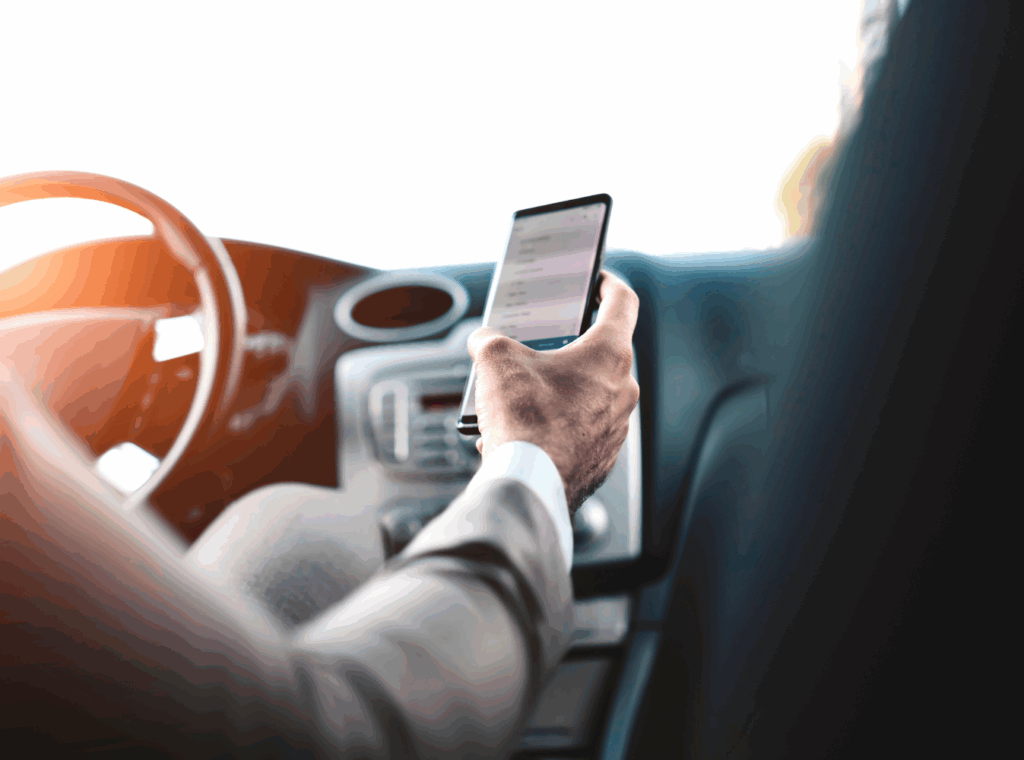
Lyft crashes happen for many of the same reasons as other wrecks, often intensified by the demands of rideshare work. Common causes include distracted driving while checking the app, speeding to reach pickups, fatigue from long shifts, and unfamiliar routes. Busy areas like Downtown Raleigh add pedestrian traffic and sudden stops that raise risks.
Responsibility depends on who caused the crash and when it happened. Some cases point squarely to one party, while others involve shared fault.
A Lyft driver who runs a red light, follows too closely, or drives distracted bears responsibility for the harm caused. Insurance coverage then depends on app status. If the app showed an active ride, Lyft’s policy may apply. If not, the driver’s personal policy often controls.
Another motorist may cause the crash by speeding, failing to yield, or driving impaired. Claims then proceed against that driver’s insurer. Lyft’s coverage may still come into play if the Lyft driver carried a passenger and suffered injuries or vehicle damage.
Lyft’s role centers on providing the platform, setting safety rules, and supplying insurance during active trips. Corporate liability may arise when policies apply or when failures in background checks or safety practices contribute to harm. Each case turns on specific facts and documented timelines.
Some crashes involve several vehicles, shared faults, or roadway hazards. A collision near the NC State campus, for example, may include student pedestrians or campus traffic patterns. Sorting responsibility requires careful review of reports, video, and app data.
State law outlines coverage based on the driver’s activity at the time of the crash.
When the app stays off, the driver operates like any other motorist. Personal auto insurance applies, and Lyft’s policy offers no protection.
With the app on and waiting, limited rideshare coverage may apply. This coverage typically offers lower limits than the policy available during an active ride.
Once a driver accepts a trip and transports a passenger, Lyft provides up to $1 million in liability coverage. This policy often serves as the primary source of recovery for injured passengers.
Rideshare collisions can cause a wide range of injuries, from minor to life-altering. Traffic near Crabtree Valley Mall, with frequent lane changes and congestion, often leads to sudden impacts.
Rapid back-and-forth motion strains muscles and ligaments in the neck and shoulders. Symptoms may appear hours or days later, making early medical care and records valuable.
A blow to the head or violent shaking can disrupt brain function. Even a mild concussion deserves attention, as symptoms like headaches or memory trouble may linger.
Damage to the spinal cord can affect movement and sensation. Treatment often involves surgery, therapy, and long-term support.
Arms, legs, ribs, and facial bones often bear the force of impact. Healing may require casts, surgery, and time away from work.
Anxiety, sleep trouble, and fear of riding in vehicles may follow a serious crash. Counseling and support play a role in recovery.
Compensation aims to address the losses caused by the crash. Claims vary based on injuries, fault, and available coverage.
Recovery may include emergency care, hospital stays, surgery, medication, therapy, and follow-up visits. Claims can also address future care tied to the bodily injury from an accident.
Time away from work reduces income. Some injuries limit the ability to return to the same job or hours, which affects future earnings.
This category addresses the daily impact of injuries, including discomfort, limitations, and loss of enjoyment. Clear documentation and personal accounts help convey these effects.
Vehicle repair or replacement costs fall within property damage claims, along with personal items damaged in the crash.
State law allows three years from the date of injury to file a lawsuit. Missing this deadline usually ends the right to seek compensation.
Certain situations, such as claims involving minors or delayed discovery of injuries, may alter the deadline. Each exception depends on specific facts and statutes.
Early action preserves evidence, supports medical care, and prevents insurers from shaping the narrative. Traffic patterns along the I-440 Beltline change quickly, and video footage often disappears within weeks.

A Lyft accident claim rises or falls on evidence. Strong proof shows what happened, who bears responsibility, and how the injuries affected your life. An attorney plays a hands-on role in finding, protecting, and presenting that proof in a way insurance companies take seriously. Many key pieces of evidence sit outside a victim’s reach without legal support, especially in rideshare cases.
A police report after accident often becomes the backbone of a Lyft accident claim. Officers document driver statements, witness details, road conditions, and initial observations about fault. A car accident attorney requests the full report, reviews it for accuracy, and addresses gaps or errors early. When reports lack key details, legal counsel supplements the record with additional documentation and follow-up investigations.
Medical records connect your injuries directly to the crash. Doctors’ notes, imaging results, treatment plans, and billing statements all help show the scope of harm. An attorney gathers complete medical files, works with providers to clarify diagnoses, and organizes records into a clear timeline. This approach prevents insurers from downplaying injuries or claiming they came from another cause.
Photos and video often tell the story faster than words. Images of vehicle damage, skid marks, traffic signals, and visible injuries provide powerful support. An attorney helps identify nearby surveillance cameras, traffic cameras, or dashcams that may have captured the collision. Legal teams act quickly to request and preserve footage before automatic deletion occurs.
Independent witnesses strengthen credibility. However, witnesses may forget details or become hard to reach over time. An attorney contacts witnesses promptly, records statements, and ensures their accounts stay consistent. When needed, counsel prepares witnesses to provide sworn testimony that supports your version of events.
Rideshare data often decides which insurance policy applies. Trip records show whether the driver had the app on, accepted a ride, or transported a passenger at the time of impact. An attorney knows how to request these records directly from Lyft, interpret the data, and use it to trigger the correct level of coverage. Without legal help, accessing and understanding this information proves difficult.
Some cases require additional proof, such as accident reconstruction reports or medical opinions about future care. An attorney coordinates with qualified professionals to explain how the crash occurred or how injuries may affect long-term health and work capacity. This evidence helps counter insurance arguments that minimize harm or shift blame.
Rideshare claims bring hurdles that standard cases don’t include.
Several insurers may point fingers at one another. Clear evidence and firm communication help keep the claim moving.
Independent contractor status affects responsibility and coverage. Understanding how policies apply during each phase of a ride helps counter disputes.
Insurers may challenge fault. Accident reconstruction uses physics, vehicle damage, and scene analysis to explain what happened.
Early offers often undervalue injuries and future needs. Careful evaluation prevents shortchanging recovery, especially after crashes near Fayetteville Street with heavy foot traffic.
Our team at Maginnis Howard brings experience with rideshare claims and a focused approach to client advocacy. We listen first, then build a strategy tailored to the facts of your case.
Our attorneys handle insurance communications, gather evidence, and prepare cases for court when needed. We work on a contingency basis, so no upfront costs apply. Clients receive personalized attention and clear updates from start to finish.
Seek medical care right away, even if injuries seem minor. Report the crash to police and Lyft, and document the scene if possible.
Some cases proceed against the driver’s insurer, while others involve Lyft’s policy. App status and fault determine the proper path.
The driver’s personal insurance usually applies when the app stays off. Lyft’s coverage typically does not apply in that situation.
Case value depends on injuries, medical costs, lost income, and available insurance. A detailed review of records and evidence helps estimate recovery.
Many claims resolve through negotiation. Court becomes necessary when insurers refuse fair terms.
Rideshare claims demand attention to detail, steady advocacy, and knowledge of evolving insurance rules. Maginnis Howard offers a supportive, skilled team ready to pursue accountability after a Lyft crash. Reach out for a free consultation to discuss your options and take the next step toward recovery.
Address: 7706 Six Forks Rd Suite 101, Raleigh, NC 27615, United States
Phone: (919) 526-0450
7706 Six Forks Rd.
Suite 101
Raleigh, NC 27615