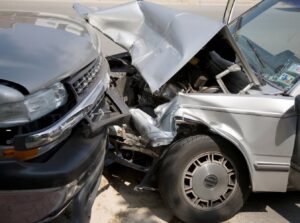
Road rage is a dangerous and preventable issue plaguing North Carolina roads today. The rules of the road require everyone to keep a cool head to keep everyone safe. Unfortunately, there are more and more people each year who allow anger to interfere with their driving and even intentionally cause harm to others. Consulting a road rage lawyer can help victims get the justice they deserve. According to the National Highway Traffic Safety Administration (NHTSA), fatal crashes involving aggressive driving and road rage have skyrocketed in the last decade. The NHTSA reported 262 incidents in 2010 and 708 in 2023, nearly tripling the rate. But what laws are in place to protect motorists from road rage? If you are the victim of a road rage incident, you should have an experienced road rage lawyer by your side to get the most compensation possible for your injuries.
Road Rage vs. Aggressive Driving
Road rage is an all too common response for drivers who are frustrated with other motorists, pedestrians, and cyclists. It might manifest as yelling, reckless driving, honking, and even physical confrontations. Aggressive driving is a behavior that endangers others on the road—speeding, failing to yield, passing on the right, running stop signs or red lights, weaving through traffic, “cutting off” other motorists, and tailgating. These behaviors, when coupled with anger towards another motorist or pedestrian, can result in injury and death.
What The Law Says
Currently, North Carolina does not have a specific law addressing road rage. A knowledgeable road rage lawyer can navigate the following statutes that may apply:
Reckless Driving
In North Carolina, reckless driving, as defined in N.C.G.S. § 20-140, is a Class 2 misdemeanor. According to N.C.G.S. § 20-140, reckless driving involves driving “carelessly and heedlessly in willful or wanton disregard of the rights or safety of others” or driving “without due caution and circumspection and at a speed or in a manner to endanger or be likely to endanger any person or property”. In the case of road rage, this could manifest as tailgating, speeding, making angry gestures, cutting off other drivers, and brake checking. While reckless driving may seemingly involve less extreme behaviors, these can escalate into the dangerous and violent acts we often associate with road rage, such as aggressive driving or assault.
Aggressive Driving
Aggressive driving, a Class 1 misdemeanor, is a more serious offense than reckless driving. While reckless driving and aggressive driving both involve unsafe driving behaviors, aggressive driving involves deliberate actions intended to harass, intimidate, or injure other drivers. In contrast, reckless driving involves a conscious disregard for safety, but could be unintentional.
While there is no law specifically against road rage in North Carolina, other statutes ban dangerous driving habits often associated with road rage. The North Carolina Aggressive Driving statute states that a motor vehicle operator is aggressive if they drive carelessly and disregard others’ safety while violating the speed limit generally or in a school zone. To prosecute an individual for aggressive driving, the driver must also have committed two or more of the following offenses:
- Running a red light
- Running a stop sign
- Illegally passing other vehicles
- Failing to yield
- Following too closely
Aggressive driving can come with hefty penalties, including, but not limited to, fines, points on your driving record, jail time, and increased insurance premiums. Not only are these penalties expensive, but they could result in aggressive drivers’ license suspension and even impact their future employment and housing opportunities due to having a criminal record.
Assault Charges for Road Rage
Aggressive driving behaviors can have unintended consequences. Unfortunately, some road rage incidents escalate into deliberate physical assaults. Using a vehicle to intimidate or harm another person is classified as assault in North Carolina. If the confrontation involves the use of a firearm, like the shooting of a 5-year-old in a Raleigh road rage incident, there are even more avenues for victims to pursue justice, often requiring assistance from a road rage lawyer. In these scenarios, we often see two avenues for assault charges: Assault by Pointing a Gun and Assault with a Deadly Weapon.
Assault by Pointing a Gun
Motorists should not have to fear injury or death by firearm when they are simply going about their business. A driver who points a gun at another road user can face assault charges even if they do not fire the weapon. N.C.G.S. 14-34 classifies this offense as a class A1 misdemeanor.
Assault with a Deadly Weapon
Using a vehicle to threaten or harm another person intentionally can be considered a deadly weapon. Examples of this in the case of road rage can include deliberately using a car to force another vehicle off the road or even using a vehicle to ram another car.
The Aftermath of Road Rage
Perpetrators of road rage, aggressive driving, and assault may face hefty fines, driving penalties, and even jail time, but they’re not the only ones who face an unpleasant aftermath. Victims of road rage are often left with physical injuries, emotional trauma, financial losses (medical bills, lost wages, vehicle repairs), and some victims are even permanently disabled or left grieving loved ones.
Contact Experienced Road Rage Personal Injury Lawyers
If you or a loved one has been injured in a road rage incident, you don’t have to go it alone. The personal injury team at Maginnis Howard is here to help. We offer free consultations and handle cases contingently; you don’t pay unless we win. Contact our offices in Raleigh, Charlotte, or Fayetteville to speak to our talented legal staff about your case. An expert road rage lawyer can make all the difference.