Dooring Bicycle Accidents in Raleigh: North Carolina Law and How to Beat the Visibility Defense
What is a Dooring Accident in North Carolina? Dooring bicycle accidents in North Carolina happen when a vehicle occupant opens a car door into the
info@carolinalaw.com
Portfolio Recovery Associates (PRA) is one of the largest debt collectors in the United States. Based in Norfolk, Virginia, PRA was established in 1996 as purchaser of consumer debts from large companies. Over it’s nearly 30 year history, the company has faced several large-scale lawsuits and class actions regarding their collection practices. If you believe their tactics have violated your consumer rights, reach out to the North Carolina attorneys of Maginnis Howard.
In 2015, the Consumer Financial Protection Bureau ordered Portfolio Recovery Associates to pay $19 million in consumer refunds and $8 million in penalties for their collection tactics. The suit alleges PRA:
Despite this significant judgment against the debt collector, by March 2023 PRA was fined an additional $24 million for continuing the same illegal debt collection practices.
There are several stringent state and federal laws that dictate how debt collectors must act when collecting a debt. These laws are intended to prevent companies like Portfolio Recovery Associates from using unethical means to collect payment.
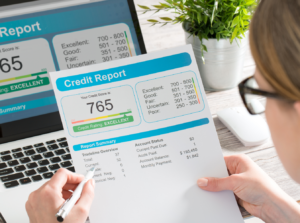
The federal Fair Credit Reporting Act (FCRA) promotes the accuracy, fairness, and privacy of consumer information contained in the files of consumer reporting agencies. It regulates the collection, dissemination, and use of consumer information, including consumer credit information. The FCRA ensures that consumers have the right to access their credit information, dispute inaccuracies, and be informed when their credit information is used against them. This law protects consumers from having inaccurate information like unpaid debts on their credit reports. For example, if a debt collector falsely sends information to a credit bureau that a consumer owes a debt.
The federal Fair Debt Collection Practices Act (FDCPA) is a 1977 law designed to eliminate abusive, deceptive, and unfair debt collection practices. The FDCPA provides guidelines and limitations on how debt collectors can interact with consumers. It prohibits practices such as harassment, making false statements, and using unfair means to collect a debt. The FDCPA also grants consumers the right to dispute and obtain validation of debt information, ensuring transparency and fairness in the debt collection process. Violations of the FDCPA can result in penalties for debt collectors and provide consumers with legal recourse to address grievances.
North Carolina’s General Statutes provide robust protections for consumers in the state. GS Chapter 75 addresses some key protections. It protects the consumer from:
These are just a few of the added protections our state provides. If you believe a debt collector has violated your rights under the FCRA, FDCPA, or North Carolina laws.
If you believe Portfolio Recovery Associates has violated your rights, contact us for a consultation. We can help you understand your legal options and pursue any potential claims. We have three conveniently located offices in Raleigh, Charlotte, and Fayetteville and offer free consultations.
Yes, Portfolio Recovery Associates is a legitimate debt collection agency. It is one of the largest collection agencies in the United States and has been the subject of several large-scale consumer lawsuits for its alleged illegal debt collection practices.
The company is headed by PRA Group, LLC.
Consumers have reported the company may call from:
866-293-0076
800-772-1413
866-322-5258
866-430-6105
What is a Dooring Accident in North Carolina? Dooring bicycle accidents in North Carolina happen when a vehicle occupant opens a car door into the
Can I get Compensation Through a North Carolina Uninsured Motorist Claim? A North Carolina uninsured motorist claim allows injured drivers and passengers to seek compensation